Carbon Fiber Wrapping: The Racing Effect for Your Vehicle

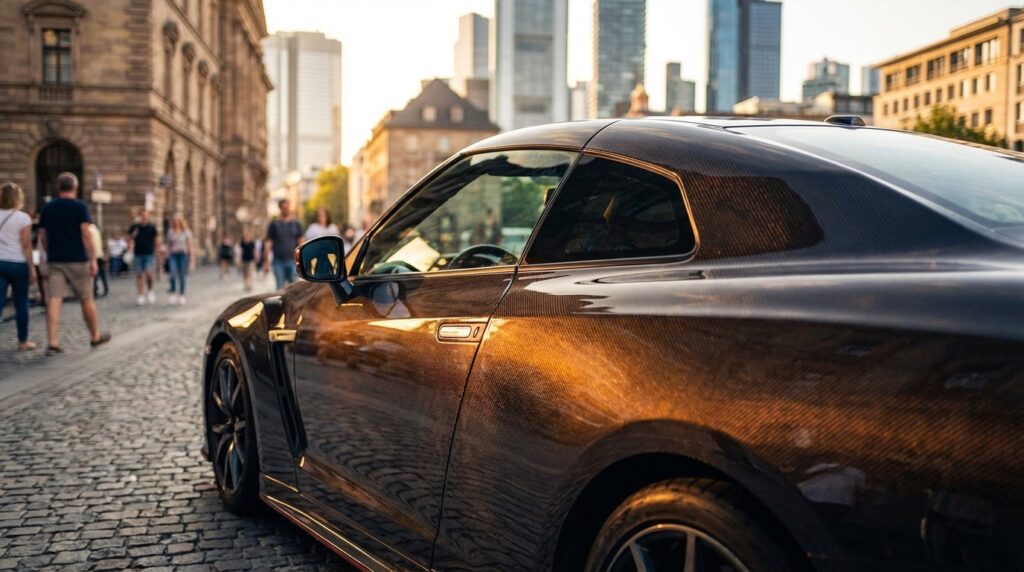
Carbon fiber wrapping has become a true revolution in the world of car customization. This adhesive film, which mimics the texture and appearance of carbon fiber, appeals to car design enthusiasts looking to add a sporty and dynamic touch to their vehicles. Beyond aesthetics, carbon fiber film offers effective body protection against scratches and impacts, while remaining lightweight and easy to maintain. Suitable for both beginners and professional car wrappers, this coating enhances the vehicle’s lines and curves, reinforcing its racing style without altering the original paint. The quality of the finish, whether satin, gloss, or matte, allows for a unique look that can be customized to suit individual tastes and needs. As the aesthetic tuning market continues to evolve, the popularity of carbon fiber wrapping is constantly growing thanks to its advanced technical characteristics and its numerous possibilities for car customization.
The final stages of the technique have allowed for a more refined application process, reducing bubbles and creases and ensuring a smooth, uniform surface. This type of wrap adapts to complex shapes, such as those of modern sports cars or SUVs, without compromising its durability. Furthermore, advancements in carbon fiber adhesive formulations guarantee excellent resistance to UV rays and weathering, making this wrap ideal for everyday use, even in varying climatic conditions. For those who appreciate visual performance, the racing effect is enhanced by specific variations, such as hydrodynamic matte carbon fiber or glossy carbon fiber, which reflect light in a sophisticated way. Carbon fiber wraps therefore represent a coherent technical and aesthetic solution for anyone wishing to stand out boldly while benefiting from enhanced bodywork protection.
Technical characteristics of carbon film for wrapping: an innovation with multiple advantages
Carbon fiber film is an advanced technology derived from car wrapping, perfectly suited to meet both the aesthetic requirements and technical constraints of automotive customization. Its most notable feature is undoubtedly the 3D embossed texture, faithfully reproducing the look of woven carbon fiber, instantly recognizable to enthusiasts of sporty style. This finish is not limited to a simple visual effect: it also helps to conceal minor imperfections in the bodywork, providing a visually seamless surface even on areas with small irregularities.
The film’s composition features a multi-layered structure including a protective UV and abrasion-resistant membrane, which significantly increases the wrap’s lifespan. Depending on the manufacturer, some carbon fiber adhesive films incorporate a thermal system for better heat adaptation, preventing peeling or warping on tight curves during sun exposure. This technical advancement results in a notable increase in the wrap’s longevity, which can thus exceed several years without any alteration to the design or mechanical strength.
However, applying carbon fiber film requires a certain level of expertise, particularly in managing the textured surface and ensuring a smooth, wrinkle-free application while respecting the material’s flexibility. Professional installation guarantees optimal results, although some experienced DIYers can achieve this type of wrap by following precise methods and using specialized tools. In all cases, carbon fiber adhesive offers excellent adhesion to painted surfaces, but it is recommended to check the condition of the bodywork beforehand, as applying a wrap to a damaged surface can result in an unsightly finish or poor adhesion, as explained in this article on the application on a scratched car.
The table below presents a comparison of the main technical properties of carbon film compared to other conventional wrapping films:
| Characteristic | Carbon Film | Standard Vinyl Film | Paint |
|---|---|---|---|
| Texture | 3D relief in carbon fiber look | Smooth, matte or glossy surface | Flat surface with variable finish |
| Scratch resistance | Raised thanks to the protective membrane | Average | Depends on the varnish layer |
| Easy to install | Technical, experience required | Simple to medium | Professional application required |
| Sustainability | 5 to 7 years old | 3 to 5 years | 10 to 15 years old |
| Bodywork protection | Very good | Good | Very good |
This innovation in the field of carbon wrapping thus ensures an optimal compromise between aesthetics, protection and durability, offering users a car design resolutely geared towards the world of sporty style and aesthetic tuning.
Advanced techniques for successful carbon fiber wrapping application
Applying a carbon fiber wrap requires a meticulous approach that goes far beyond that of a standard wrap. Due to the unique textured surface of carbon fiber film, each step must be executed with precision to avoid any visible imperfections that could compromise the desired racing effect.
First, surface preparation is fundamental. The bodywork must be perfectly clean, smooth, and free of grease to ensure perfect adhesion. Furthermore, it is crucial to check that the base paint is in good condition, as a wrap applied to a defective surface risks revealing these flaws over time. For this specific point, the reader can refer to this in-depth analysis.
Essential tools for optimal installation
The choice of tools greatly influences the final quality. Essential tools include:
- Felt squeegee: to apply the film without marking the surface
- Precise cutting: cutter with a new blade for a perfect fit
- Hair dryer or heat gun: useful for softening the film on curved areas and accentuating the pose
- Soapy water-based spray: facilitates the initial repositioning of the film before drying
Application process specifically adapted to carbon film
The application often begins with small sections to control the folding on complex contours such as fenders and mirrors. Carbon fiber adhesive, unlike a smooth wrap, can hide air bubbles more effectively, but careful attention is required to avoid creases. Gradual heating with a heat gun softens the film, increasing its malleability and adhesion without altering the 3D appearance.
In the final stages, the pressure applied with the felt squeegee should be moderate to avoid distorting the texture. Once the application is complete, the vehicle should be parked in a sheltered location to allow the film to dry completely and adhere permanently. For more information on the technique and advanced tips, professional training in roofing They offer detailed tutorials, a valuable learning resource for any enthusiast wishing to master car wrapping.
The different racing styles and effects thanks to carbon fiber wrapping
Carbon fiber wrapping adapts to a wide variety of styles and brings bold car designs to life. The racing effect is central to this trend, allowing you to mimic the high-tech look of competition cars. Variations in carbon fiber film, from deep matte to brilliant gloss, project a sporty image while maintaining elegance.
Aesthetic variations of carbon film
Here are four of the most popular finishes in 2026:
- Matte carbon: It offers a sleek and contemporary finish, perfect for a discreet yet sophisticated style. It reduces reflections, promoting a “stealth” effect highly valued in aesthetic tuning.
- Glossy carbon: It plays on light and reflections, highlighting the design and giving the vehicle a dynamic and futuristic look.
- Satin carbon: a subtle compromise between matte and glossy, providing added visual depth and a softer textured feel.
- Hydrodynamic carbon: an innovative finish that simulates a wet effect on the fiber, reinforcing the impression of speed and performance.
The choice of finish should take into account the overall design of the vehicle as well as the owner’s preferences. Carbon fiber wrapping also allows for the integration of personalized touches such as logos, stripes, or colored inserts, thus increasing the aesthetic impact.
Combining with other materials creates a unique racing effect.
To enhance the sporty look, carbon fiber film is often combined with other adhesive films such as black chrome, Kevlar, or even matte stripes that simulate air intakes or modified bodywork. These combinations are very popular for aesthetic tuning, offering a personalized and powerful visual identity.
Carbon fiber wrapping isn’t just about looks; it also signifies a commitment to durable paint protection, especially in the automotive world where sporty style goes hand in hand with demands for increased resistance. Those seeking more information can consult the article on Comparing the different finishes to better choose according to their expectations.
Legal aspects, prices and potential drawbacks of carbon fiber wrapping
While carbon fiber wrapping is appealing due to its aesthetic and technical qualities, the regulatory and financial aspects of its installation should not be overlooked. A frequent question concerns the legality of wrapping a car, particularly color changes, which may require notification to the authorities. To understand the applicable regulations, it is advisable to read this dedicated article.
In terms of cost, carbon fiber wrapping is often more expensive than traditional vinyl films due to the film’s complex dimensions and the technical constraints of the installation. The average price of a full carbon fiber wrap varies depending on the surfaces to be covered and the type of finish chosen. The table below provides an overview of current prices:
| Type of covering | Approximate price | Installation duration | Complexity |
|---|---|---|---|
| Partial matte carbon film | 700 – 1,200 € | 3 to 5 hours | Average |
| Full glossy carbon covering | €1,500 – €2,800 | 6 to 10 hours | High |
| Mixed coating (carbon + chrome) | €2,000 – €3,500 | 8 to 12 hours | Very high |
It’s important to keep in mind certain drawbacks inherent to carbon fiber wrapping. The film is sensitive to incorrect application, which can lead to premature peeling or visible creases. Furthermore, this type of wrapping is less repairable than some conventional films, requiring professional intervention in case of damage. For a complete overview of this topic, see the article… on the disadvantages of the covering is an indispensable resource.
The paint protection it offers remains a major advantage, especially in urban environments where the risk of micro-scratches is high. For those looking to personalize their car in this way, carbon fiber wrapping represents a stylish and technically advanced alternative, giving their vehicle a decidedly sporty aesthetic.
Practical tips and advice for maintaining and optimizing your carbon fiber wrap
Once applied, carbon fiber wrapping requires specific maintenance to preserve its appearance and protective qualities. The carbon fiber adhesive film offers good weather resistance, but remains sensitive to certain harsh cleaning products that could damage its texture or adhesion.
Good daily maintenance practices
To preserve the racing effect and shine, it is recommended to use only mild, non-abrasive cleaning products. Hand washing with a soft sponge and soapy water is sufficient to remove dirt without damaging the film. Automatic car washes are not recommended, as the brushes can cause micro-scratches on the film’s 3D texture.
It is also recommended to avoid prolonged exposure to solvents, fuels, or other chemicals. For small, stubborn stains, immediate, localized cleaning is best to prevent harmful penetration. The bodywork protection offered by carbon fiber wrapping does not eliminate the need for regular maintenance, especially to maintain a flawless sporty look.
Some tips to extend the lifespan of your carbon fiber wrap
- Park in the shade: limits exposure to UV rays, which are responsible for the premature aging of the film.
- Apply a protective treatment: Certain specific protectors or waxes adapted to vinyl film enhance scratch resistance.
- Avoid high-pressure washing: which can permanently weaken the bond.
- Monitor the film’s condition: in order to quickly spot any signs of detachment or damage.
To learn about the longevity and quality of different films, as well as customer reviews of specialized workshops, it is helpful to consult the resources on the aging of the covering And choosing a professional workshop.
Does carbon fiber wrapping damage the original paintwork?
If installed correctly, carbon fiber wrapping does not damage the original paintwork and even protects it against micro-scratches.
Can you remove the carbon fiber wrap yourself?
It is possible to remove a carbon wrap yourself, but careful handling is necessary to avoid damaging the paintwork.
What is the average lifespan of a carbon film?
A good quality carbon film, properly installed, can last from 5 to 7 years depending on exposure to the elements and maintenance.
Is carbon fiber wrapping suitable for all types of vehicles?
Yes, as long as the surface is clean and in good condition, carbon film can be applied to all vehicles, whether they are sports, urban or utility vehicles.
Is carbon fiber wrapping UV resistant?
Modern carbon films incorporate protective UV layers that prevent discoloration and prolong aesthetic durability.