Trending Colors 2026: The Most Requested Coating Shades

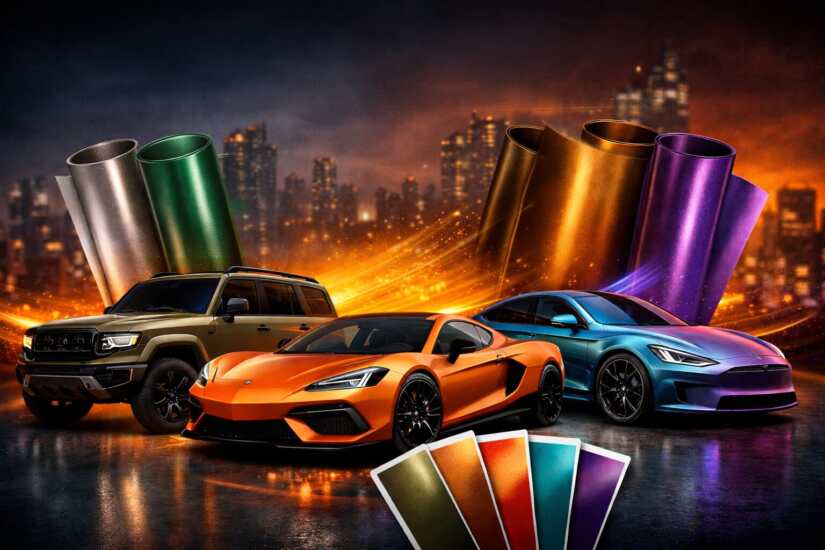
The automotive design landscape is constantly evolving, and for 2026, the trending colors in vehicle wrapping reflect a skillful balance between technological innovation and personal aesthetic expression. Wrap colors are no longer simply aesthetic choices, but have become key elements of color customization that define the visual identity of vehicles. This modern color palette builds upon previous trends while adding contemporary nuances that captivate both enthusiasts and professionals in the wrapping industry.
The rise of diverse vehicle wrap finishes, from matte to gloss, including satin and carbon fiber effects, amplifies the range of options available to users. Simultaneously, the growing demand for coatings that combine durability, ease of maintenance, and aesthetics demonstrates that vehicle wrapping is becoming a true technical art. In this context, understanding the popular colors of 2026 allows users not only to anticipate market trends but also to optimize their choices based on intended use and aesthetic preferences.
Whether transforming an SUV, a sports car, or even a commercial vehicle, color and finish play a crucial role in how the vehicle is perceived and how it integrates into an urban or natural environment. This article explores these trendy colors in depth, deciphering the technical reasons behind their popularity and their implications for successful color customization.
In-depth analysis of the most popular opaque shades for 2026
Each year, vehicle wrap colors evolve in response to innovations from adhesive film manufacturers and user expectations. By 2026, three major color families will dominate the market: sophisticated metallic tones, minimalist matte colors, and innovative vibrant shades. These categories are not limited to simple aesthetic differentiation but embody essential technical characteristics for vehicle wrapping.
Metallic films are enjoying increasing popularity thanks to their ability to capture light and create dynamic visual effects. For example, shades like brushed silver or metallic anthracite gray give a vehicle an elegant and contemporary look, suitable for luxury sedans where discretion meets chic. These finishes also have the advantage of being more resistant to superficial scratches, an important factor for users who want to maintain a beautiful appearance over the long term.
Matte colors, on the other hand, offer a sleek and contemporary finish, widely adopted in SUV and 4×4 wrap ranges where a robust and timeless look is paramount. Matte black or sand beige, for example, accentuate the vehicle’s personality while providing a unique tactile feel. However, these shades require careful application as they are less forgiving of fingerprints and imperfections.
Finally, vibrant colors stand out as a bold and youthful choice, especially for advertising wraps or urban vehicles where attracting attention is essential. Colors like bright red, electric blue, or chromatic green maximize visibility while remaining at the forefront of automotive design. These shades are often combined with glossy finishes to amplify their impact.
To better understand these trends, here is a table comparing the main characteristics of the dominant types of vehicle wrap colors:
| Shade type | Aesthetic appearance | Technical advantages | Usual examples | Preferred uses |
|---|---|---|---|---|
| Metallic | Luminous, sparkling effects | Increased resistance to micro-scratches | Brushed silver, anthracite grey | Sedans, premium vehicles |
| Mast | Soft texture, clean finish | Requires expert installation, delicate maintenance | Matte black, sand beige | SUV, 4×4, sober customization |
| Lively | Vibrant and brilliant colors | High visual impact, suitable for marketing | Bright red, electric blue | Urban cars, advertising wraps |
The practical integration of these tints requires a thorough understanding of the behavior of adhesive films, particularly references such as Oracal 970 which offers excellent value for money for demanding finishes.
Technical innovations that influence the color palettes of vehicle wrapping
Advances in adhesive film manufacturing and surface treatments are revolutionizing how trendy colors are translated into vehicle wraps. By 2026, films will no longer simply color the bodywork; they will incorporate functional properties that extend the aesthetic lifespan of the wrap.
Among these innovations are self-healing films that reduce the appearance of micro-scratches when exposed to heat. This technology, combined with satin finishes, offers users both aesthetic and practical benefits. For all types of cars, this treatment significantly improves the durability of the vehicle’s design in the most exposed areas, such as bumpers and hoods.
Another notable advancement concerns films based on adjustable chromatic pigments. These allow manufacturers to offer colors that subtly change depending on the viewing angle or lighting, bringing a dynamic and customizable dimension to the wrap. This type of trunk wrap, for example, is very popular for styling the rear of vehicles with unique colors that capture attention without compromising elegance.
Thus, color customization is enhanced by a more sophisticated sensory experience, where each shade evolves according to lighting conditions. This opens up new perspectives in terms of marketing and visual impact, particularly for company fleets using advertising wraps.
These innovations also highlight the importance of using quality tools and products during installation to optimize the durability and effect of the coating. Professionals must also master the specific techniques adapted to each coating finish, such as those described in this guide dedicated to trunk covering.
How to choose the ideal color palette according to the type of vehicle
The choice of vehicle wrap colors cannot be separated from the type of vehicle and its intended use. By 2026, this selection has become a crucial step in achieving a customized, harmonious, and functional look. A successful blend of form, function, and color requires a rigorous analysis of the available options.
For example, sedans benefit from a more elegant palette dominated by understated and metallic colors to emphasize a certain discretion and refinement. Colors like pearl gray or midnight blue are widely popular, particularly in the context of the covering for sedan which aims to maintain a luxurious look while offering the possibility of subtly varying the finishes (matte, satin).
Conversely, SUVs and 4x4s require more robust and sometimes contrasting colors to enhance their imposing presence. Matte black, military khaki, or copper bronze are very trendy modern shades, reinforcing their off-road look while remaining contemporary. Vehicles in this segment can also receive specific treatments on elements such as the roof or mirrors, where targeted wrapping provides the detail that makes all the difference, especially if you consult expert advice on the subject. mirror covering.
For motorcycles, the choice of trendy colors often leans towards more vibrant and personalized finishes to express speed and dynamism. Specific wrap films for two-wheelers, adapted to smaller and curved surfaces, frequently incorporate reflective or metallic designs, as explained in some resources on the subject. covering for motorcycle.
Here is a concise checklist for choosing the ideal palette:
- Evaluate the volume and shape of the vehicle
- Determine the daily use (private, professional, marketing)
- Choose the finish based on maintenance and desired durability.
- Incorporate specific covering areas (trunk, roof, mirrors)
- Take into account the desired personality and style
The impact of vehicle wrap finishes on the perception of trendy colours
The final appearance of the vehicle wrap colors depends heavily on the type of finish applied. Matte, glossy, satin, or carbon fiber effect, each finish alters the chromatic perception and tactile feel of the wrap, directly influencing the vehicle’s design.
Matte finishes, often associated with modern elegance, tend to smooth out reflections and accentuate the depth of dark colors. By 2026, this finish is particularly popular for customizing high-end vehicles due to its neutral yet assertive appearance. However, matte finishes require rigorous maintenance as they are susceptible to fingerprints and dust.
Gloss, on the other hand, energizes bright, metallic hues by enhancing light reflection. It’s used to maximize visual impact in advertising wraps or on cars with vibrant colors, such as red or electric blue. This finish is easier to clean and offers a smooth feel that also highlights innovative color effects.
Satin, positioned between matte and gloss, represents an ideal compromise. It plays on the subtlety of colors and offers a silky appearance highly prized for sedans and premium vehicles where the pursuit of a refined yet understated design is essential. Satin finishes also benefit from better resistance to micro-scratches compared to pure matte.
Finally, the carbon fiber effect remains a niche finish, but one that is very popular with tuning enthusiasts and those who appreciate stylish wheels. It provides a technical and sporty look that can be applied to specific surfaces such as hoods or mirrors to enhance contrasts.
The following table illustrates these differences through renderings and main properties:
| Finishing | Visual impact | Interview | Dominant over colors | Recommended apps |
|---|---|---|---|---|
| Mast | A subtle and profound effect | Thorough maintenance, sensitive to traces | Dark, neutral colors | SUVs, high-end vehicles |
| Bright | Vivid and intense reflections | Easy to clean | Bright and metallic hues | Advertising wrap, city cars |
| Satin | Silky and balanced appearance | Good maintenance compromise | All shades | Sedans, premium |
| Carbon effect | Sporty and technical style | Specific maintenance | Gray, black | Targeted parts (hood, mirrors) |
To push personalization even further, it is essential to master the combination of the chosen color palette and the selected covering finish, as indicated in the guides dedicated to color change without repaintingallowing for optimized aesthetic results.
The specific uses of trendy colors in different segments of the automotive market
Beyond pure aesthetics, the vehicle wrap colors adopted for 2026 are closely linked to the functional needs and industry sectors of the users. Vehicle wraps are no longer limited to simple decorative customization; they are becoming a marketing tool and an effective form of vehicle body protection.
In the commercial vehicle and heavy goods vehicle sector, the demand for durable and easily cleanable films favors dark or neutral colors. covering for truck It requires robust materials with often glossy finishes to better reflect light and improve road safety. Neutral colors such as anthracite gray or navy blue predominate, ensuring a balance between visibility and professional aesthetics.
In the world of passenger vehicles, particularly city cars and compacts, bright and original colors are highly popular. They help reinforce the youthful and trendy image of the models, while also facilitating accessible color customization. Neon or chromatic hues can also incorporate advertising elements through specific films, providing hybrid solutions in terms of aesthetics and communication.
A rapidly expanding area is that of accessories and specific parts, where the wrapping technique allows for the transformation of elements such as rims, panoramic roofs, or even rearview mirrors. tuning rims receive highly technical films offering a wider choice of tints and textures allowing for harmonization or contrast depending on the desired effect.
For motorcycle enthusiasts, color customization has become a major aesthetic focus. Adhesive films offer both protection and style, using modern shades adapted to the dynamic curves of motorcycles. The choice of wrap finish, combined with a specific color palette, allows riders to express their individuality while maintaining excellent resistance to external elements.
What are the advantages of vehicle wrapping compared to traditional painting?
Vehicle wrapping allows for a quick color change without damaging the original bodywork, offers better protection against scratches and UV rays, and can be removed without leaving any residue. It is also often more economical and highly customizable.
Which finish is the most durable for everyday use?
Satin and glossy finishes are generally more durable and easier to maintain on a daily basis than matte finishes, which require more care to avoid marks.
Can you install a vehicle wrap yourself or should you hire a professional?
While kits exist for novices, professional installation is recommended for a flawless finish, especially with complex colorimetric films and large surfaces.
How to choose a suitable vehicle wrap color for your vehicle?
First, you need to analyze the type of vehicle, its use, then the color palette and finish that correspond to the desired style, taking into account specialized advice for each segment, such as covering for SUVs or sedans.
Can vehicle wrap films effectively protect against the elements?
Yes, quality films incorporate treatments resistant to UV, rain and chemical attack, which prolongs the life of the bodywork and maintains the vibrancy of trendy colors.