Car Tuning: The 15 Legal Modifications in France

Car tuning enthusiasts in France often seek to personalize their vehicles while remaining compliant with current legislation. Legal modifications allow for improvements in vehicle performance, aesthetics, and comfort without risking penalties. This quest for a balance between creativity and compliance is essential, especially in a country where regulations governing car tuning are strict and regularly updated. Understanding these 15 legal modifications paves the way for harmonious and lasting customization.
In a context where road safety and environmental regulations dictate the standards, every car modification must meet specific criteria, guaranteeing both driving pleasure and legality. From body kits and engine tuning to alloy wheels and LED lighting, the diversity of permitted options offers an exceptional playground for enthusiasts of mechanics and style. This technical overview, enriched with practical examples and methodical advice, is an essential guide for avoiding legal pitfalls while transforming your vehicle to reflect your personal style.
The basics of car tuning in France: understanding the legal modifications
Car tuning raises major questions about the nature of permitted modifications. In France, the rules are governed by the Highway Code and specific technical standards. Each modification must maintain safety, not compromise the vehicle’s conformity, and comply with emissions regulations.
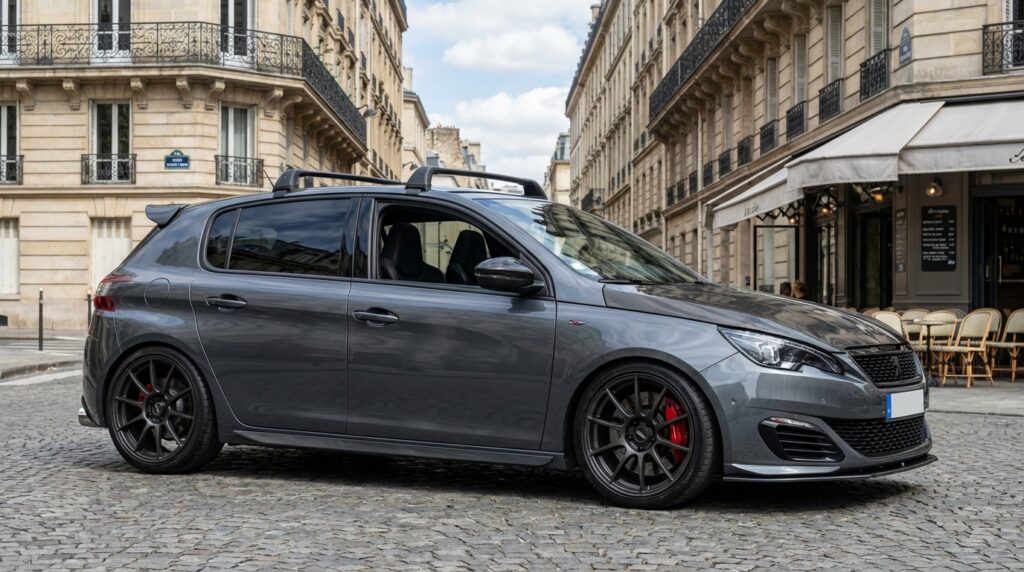
Legal modifications include aesthetic changes such as the installation of a body kitThese kits, which must be approved and not interfere with any vehicle function, are designed to modify the visual appearance, often improving aerodynamics. However, their installation sometimes requires approval from the DREAL (Regional Directorate for the Environment, Planning and Housing) if the impact on the structure is significant.
Another key area is the engine adjustmentECU remapping, also known as engine tuning, aims to optimize engine performance while respecting legal limits. This modification requires homologation when power increases and can affect insurance and vehicle inspections. Some tuners work closely with accredited laboratories to guarantee the compliance of these adjustments.
Alloy wheels are another popular modification. They combine lightness and aesthetics, but their size must comply with the manufacturer’s specifications. Installation must also ensure stability and driving comfort; otherwise, a failed vehicle inspection is likely. Adopting LED lighting, particularly for headlights or taillights, not only adds a modern touch but also improves visibility and safety, provided that approved equipment is used.
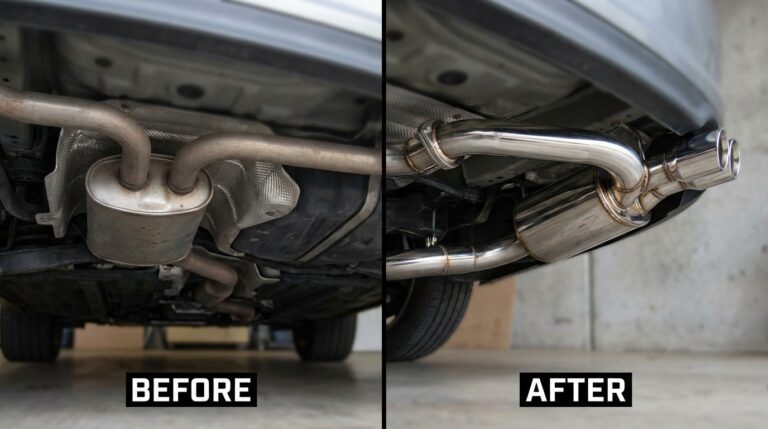
There sports suspensionAs for the latter, it is strictly regulated because it alters road handling. Its installation must be carried out with caution to avoid compromising the braking system or stability. Similarly, only a approved exhaust can be mounted in order to limit noise and environmental pollution, a crucial point in urban centers subject to strict restrictions.
Legal cosmetic modifications: body kit, alloy wheels and LED lighting
Transforming a car’s exterior appearance is often the first step in car tuning. In France, permitted aesthetic modifications must comply with specific standards. The installation of a body kit Approved kits remain the most common method. Several types of kits exist: widebody kits designed to widen the car, aerodynamic kits intended to reduce drag, and purely decorative kits.
The importance of using an approved kit cannot be underestimated. For example, a kit that affects the vehicle’s crumple zones in the event of an accident could compromise passenger safety and result in a failed roadworthiness test. Furthermore, the color and quality of the materials used must comply with administrative requirements without obstructing the visibility of the lights or license plates.
THE alloy wheels They offer both functional and aesthetic improvements. Their weight reduces wheel inertia, which improves handling and decreases fuel consumption. However, the rim size must not alter the load index or lead to an excessive change in the overall tire diameter. For example, switching from 16 to 18 inches is common, but it is necessary to verify compatibility with the suspension and ground clearance.
LED lighting, now widespread, is another modification that combines style and safety. LED systems consume less energy and offer better brightness. However, the lighting must comply with ECE standards, particularly regarding intensity and positioning. Turn signals, high beams, and taillights are subject to constraints to prevent glare or confusion with other vehicles.
Here is a list of essential points to ensure compliance with the law during these modifications:
- Use parts and kits approved by the relevant authorities.
- Respect the dimensions and specifications recommended by the manufacturer.
- Avoid any alteration of safety features such as lights and impact zones.
- Submit the car for a technical inspection after modification.
- Inform your insurance company of any significant changes.
Technical optimization: engine tuning, sport suspension and homologated exhaust
Beyond the visible aspect, car tuning in France also involves sophisticated mechanical and technical modifications. engine adjustmentFor example, it aims to increase power and torque without compromising reliability or compliance with emissions regulations.
ECU remapping is often performed to optimize fuel injection, turbo management, or ignition timing. These modifications must comply with the limits defined by European regulations to avoid illegal performance changes. Some specialized garages issue certifications after testing, which is mandatory for legal driving.
There sports suspension This is a delicate modification because it affects handling. Lowering or stiffening the suspension improves dynamic performance, but if the ground clearance becomes too low, it can lead to mechanical problems or fail the vehicle inspection. The use of approved lowering springs or adjustable shock absorbers is recommended for precise and legal tuning.
L’approved exhaust It also plays an essential role in improving the performance and sound of a modified car. It helps reduce back pressure while respecting legal noise limits. Installing a non-approved exhaust can result in a fine or the vehicle being impounded. Certified models are available that optimize engine performance while remaining compliant with current standards.
| Technical modification | Main objective | Major legal condition | Positive side effect |
|---|---|---|---|
| Engine tuning (ECU) | Increased power & torque | Approval & compliance with emissions | Better optimized consumption |
| Sports suspension | Improved handling | Respect minimum ground clearance | Better driving feeling |
| Approved exhaust | Noise reduction & back pressure | Certificate of conformity | Sporty sound without being excessive |
A concrete example is that of a tuning club in Toulouse, which, while installing approved sport suspensions, offers members engine tuning sessions in a certified workshop. This approach ensures that cars benefit from a significant improvement while strictly adhering to the law.
Interior customization and accessories: seats, steering wheel and legal multimedia systems
Beyond exterior and mechanical modifications, interior modifications are an important aspect of legal car tuning in France. Replacing seats with approved sport models improves comfort and support while driving, while maintaining the safety of seat belts and airbags.
The choice of a sports steering wheel, especially those with a smaller rim, must take into account safety standards, particularly those concerning the airbag system. Some manufacturers offer approved steering wheels specifically designed for tuning, combining ergonomics and compliance. Installing a non-compliant steering wheel exposes you to risks in the event of an accident and can result in a failed vehicle inspection.
Multimedia accessories, such as high-end audio systems, integrated touchscreens, or advanced GPS navigation, are also very popular. Their installation is legal as long as they do not obstruct the driver’s field of vision or interfere with the operation of safety devices. The electrical connection must be secure to prevent any risk of fire or short circuit.
With this in mind, some enthusiasts opt for a specific interior trim including elements in Alcantara or reinforced leather, while maintaining compliance with the standards imposed by road safety regulations.
Practical advice for staying compliant during changes and understanding the regulations
The complexity of car tuning regulations in France necessitates a methodical approach. Any modification project must begin with a precise analysis of the vehicle and the standards applicable to each component. Consulting the relevant regulations and seeking advice from certified professionals are essential steps.
Informing your insurance company of any modifications is essential to avoid having your claim denied in the event of an accident. Furthermore, a visit to an approved expert for homologation remains mandatory, particularly for modifications affecting the vehicle’s mechanics and structure.
It is also important to be wary of illegal practices such as using non-approved body kits or installing uncertified, noisy exhaust systems, even if they seem tempting for improving the vehicle’s appearance or sound. These often result in heavy administrative penalties and jeopardize the right to drive.
For an informed approach, here is a list of recommendations:
- Before making any changes, carefully check the applicable regulations.
- Use only parts available with homologation certificates.
- Hire recognized specialists for installation and adjustment.
- Document all modifications to facilitate technical inspections and insurance.
- Consult reliable sources, especially regarding suppliers’ privacy policies, to avoid scams.
In-depth knowledge and constant caution are key to combining passion and respect for the law in car tuning in France. It is this legal certainty that guarantees the pleasure of driving and the long-term appreciation of the vehicle.
Frequently asked questions regarding legal modifications in car tuning
What are the main conditions for alloy wheels to be legal?
The rims must comply with the size, weight, and load index specified by the manufacturer. They must be approved and not compromise the vehicle’s safety or handling.
Is it possible to freely modify your car’s engine in France?
No, any engine modification must comply with emissions and power standards. Approval is often required, especially in the case of a significant increase in power.
How can you tell if a body kit is approved?
A certified body kit has a certificate or attestation conforming to French standards. It must not alter safety zones and must be installed according to the manufacturer’s recommendations.
Can LED lighting be installed on all models?
LED lighting installation is permitted if the equipment complies with ECE standards, particularly regarding brightness and positioning. The use of non-approved LEDs is prohibited.
What concerns should we have regarding unapproved modifications?
Unapproved modifications can lead to fines, failure to pass the vehicle inspection, or even the vehicle being impounded. They can also invalidate insurance coverage in the event of an accident.