Luminescent Vehicle Wrapping: Shine in the Night

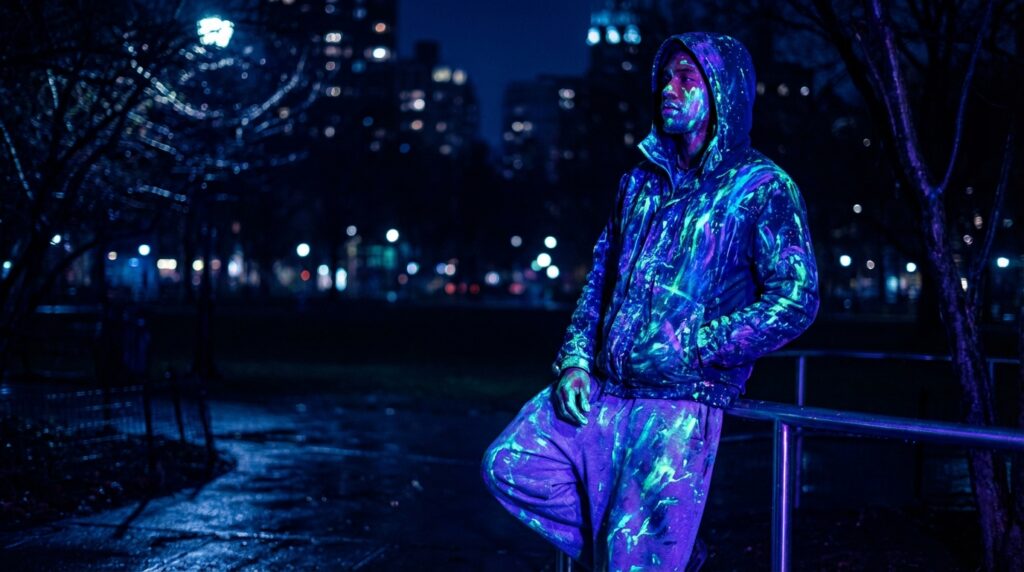
In a constantly evolving automotive landscape, luminescent vehicle wraps stand out as an aesthetic revolution, blending style and functionality. Under the cloak of night, this type of wrap unleashes its full potential, offering a phosphorescent glow that uniquely captures light, creating a truly spectacular visual display. Far from being a mere decorative option, luminescent wraps play a crucial role in vehicle safety and visibility at night, pushing the traditional boundaries of vehicle wrapping. This technological innovation appeals to both enthusiasts seeking to express their individuality and professionals looking to optimize the visibility and safety of their fleets. Thanks to advanced materials and expertly applied finishes, each wrapped vehicle becomes a luminous work of art, playing with luminescence to attract attention and enhance road safety.
By 2026, the automotive wrapping market saw the emergence of adhesive films specifically designed to capture and reflect ambient light for extended periods. This revolutionized nighttime use and prompted a rethinking of exterior customization. By incorporating phosphorescent properties, these wraps significantly increase visibility without requiring an external energy source, a major advantage for both safety and aesthetic creativity. These films represent a new trend at the intersection of technical performance and artistic expression, where the brilliance and precision of the finish make all the difference. Shining brightly at night is no longer a matter of chance, but rather a technical skill accessible to everyone, from novice to expert. A thorough exploration of the benefits, materials, and techniques associated with luminescent wrapping opens up new possibilities for those who wish to combine light and design, protection and attractiveness on their vehicles.
Technical specifications of luminescent wrapping films for glowing in the night
Luminescent vehicle wraps stand out due to their technical features, which give them a remarkable glow in the dark. These films primarily contain phosphorescent pigments capable of absorbing natural or artificial light and gradually releasing it at night. This ability relies on innovative materials, often based on doped strontium aluminate, which offer long-lasting luminosity and a higher light intensity than older, conventional compounds.
These adhesive films offer several technological advantages. They provide excellent adhesion to various substrates, including PVC and polyurethane, while remaining flexible and resistant to mechanical stresses such as the bending and curvature common on modern car bodies. Their finish can range from matte to satin, including special textures incorporating holographic or glitter effects, as revealed by this in-depth article on special effects in vehicle wrappingThese effects enhance the luminescent finish by playing on changing reflections with the slightest movement, thus accentuating the brightness in the dark.
A comparative table of key characteristics accompanies the explanation of the main types of phosphorescent films: their charging times, luminous intensity, chemical resistance, and durability. This classification allows for better targeting of options according to the type of vehicle and the intended uses.
| Movie Type | Charging Time (min) | Luminosity Duration (h) | Chemical Resistance | Finish Available |
|---|---|---|---|---|
| Phosphorescent Standard | 20-30 | 4-5 | Average | Matte, Satin |
| High Intensity Phosphorescent | 10-15 | 6-8 | High | Matte, Glossy, Special Effects |
| Self-Regenerating Luminescent Film | 5-10 | 8-10 | Very high | Satin finish, holographic effects |
These innovations go beyond mere shine: they also guarantee excellent durability against external elements such as UV rays, rain, and extreme temperatures—essential for effective and long-lasting vehicle wrapping. These performance characteristics define the criteria to consider before any application, ensuring a perfect balance of aesthetics and longevity in everyday use.
Impact of luminescent vehicle wraps on safety and nighttime visibility
Glowing in the dark goes beyond mere aesthetic appeal, addressing a crucial dimension: road safety. Indeed, luminescence offers a real advantage, improving vehicle visibility, particularly at night where the risk of accidents is significantly increased by darkness. The phosphorescent film acts as a passive visual marker, illuminating the vehicle’s contours and making it more visible from a distance.
This increased visibility makes the vehicle easier for other road users, whether drivers or pedestrians, to recognize, reducing dangerous situations related to blind spots or poor weather conditions. For example, in rural areas with limited street lighting, a vehicle covered in luminescent film stands out clearly. This feature can even complement conventional devices such as LED lights, offering enhanced active safety.
From a regulatory standpoint, some countries and regions are beginning to consider phosphorescent vehicle wraps as additional safety equipment, practically mandatory for certain categories of commercial or emergency vehicles operating at night. The use of such films can also be an asset for companies wishing to enhance their brand image while ensuring optimal safety for their drivers.
This combination of style and safety redefines the role of vehicle wrapping in contemporary mobility. Advances in the field of military and tactical covering They also illustrate how high-visibility films, sometimes phosphorescent, are also deployed in professional contexts where light safety is paramount.
Advanced techniques for optimal application of luminescent vehicle wraps: tips and mistakes to avoid
The success of a luminescent wrap doesn’t end with the choice of material: installation is a key step to guarantee the film’s luminous efficiency and durability. Phosphorescent films require precise handling, as their effectiveness depends in part on a well-prepared surface and flawless application.
Before application, it is essential to thoroughly clean the vehicle body to remove any traces of dust, grease, or wax that could impair adhesion. Application in a temperature-controlled environment, generally between 15°C and 25°C, optimizes the film’s flexibility and facilitates its shaping on curves.
Technically, a hot air dryer should be used to activate the film’s shape memory in complex areas such as the edges and contours of rearview mirrors. This step also promotes proper crystallization of the phosphor pigments, maximizing the phosphorescent effect. Avoid overstretching the film to prevent weakening it or creating micro-bubbles of air that would reduce the luminosity.
In this technical discipline, several errors are common and can compromise the final result:
- Ignoring thorough surface preparation is a frequent cause of premature delamination.
- Using unsuitable tools risks scratching or puncturing the delicate film.
- Neglecting the resting time after application, which is necessary to ensure proper fixation.
For beginners, it’s best to opt for specific kits that include appropriate tools and pre-cut films. Experts also recommend installation by certified professionals, especially for complex luminescent special effects incorporating patterns or holography, which require specialized skills.
Cutouts, finishes and customizations: reveal the brilliance in the night with unique luminescent designs
The artistic possibilities offered by luminescent vehicle wraps are numerous and captivating. By playing with cutouts, finishes, and customizations, designers can create striking visual effects that transform a simple adhesive film into a luminous work of art. Combining luminescence with textures like carbon fiber or glitter effects allows for rich contrasts with depth and intensity.
The choice of finish is paramount. For example, a matte phosphorescent film will diffuse a soft, elegant, and even light, while a glossy finish will intensify the brightness and reflection, attracting attention from afar. Versions incorporating holographic or flip-flop effects add extra dynamism where the light appears to change color depending on the angle, as explained in This article is dedicated to holographic special effects..
Combining luminescent wraps with themes such as military or tactical styles lends a narrative dimension. This type of design often utilizes camouflage patterns not only for aesthetic reasons but also to enhance targeted visibility in nighttime environments, as perfectly illustrated by its application in the camo and military field.
Here are some customization ideas for a unique luminescent wrap:
- Integration of contrasting luminescent strips or logos on a matte background.
- Phosphorescent gradient effect simulating a transition between light and dark.
- Precise cutouts around the headlights and bodywork elements for a harmonious design.
- Combined with classic vinyls to create a surprise effect when switching to night mode.
- Use of self-regenerating films to maintain light intensity over time.
How does luminescence work in vehicle wrap films?
Luminosity relies on phosphorescent pigments that store light during the day and gradually release it at night, providing a prolonged glow without an external energy source.
What is the ideal charging time for the light before use?
Charging time depends on the film used but is generally between 10 and 30 minutes under strong natural or artificial light for optimal results.
Is it possible to install a luminescent wrap yourself without experience?
Although possible, installation requires meticulous preparation and a certain level of skill to avoid bubbles or peeling. Beginners are advised to seek guidance or hire a professional.
Is luminescent vehicle wrapping effective in bad weather?
Yes, luminescence improves visibility even in rain or fog, because it provides a continuous and enveloping glow that surpasses the effect of simple reflectors.
Which types of vehicles benefit most from phosphorescent wrapping?
Urban, utility and professional vehicles, as well as recreational vehicles often circulating at night, gain a significant advantage in terms of safety and visual identity.