What is a Stage 1 tune on a car?


In the world of car tuning, the term “Stage 1” is frequently mentioned when discussing car tuning and performance optimization. This step, often considered the first phase of engine remapping, aims to improve the vehicle’s power and torque without requiring major mechanical modifications. Among tuning enthusiasts, understanding what Stage 1 entails is fundamental for achieving a harmonious and effective upgrade. Its success lies in optimizing the engine mapping, allowing the car to unleash its full potential while maintaining acceptable reliability for everyday use.
Stage 1 tuning is therefore positioned as an accessible step for many, offering an attractive compromise between increased performance and compliance with technical and legal requirements. Unlike later stages, often reserved for more heavily modified vehicles, it remains within the realm of software modification, thus avoiding the need to add accessories such as a larger turbocharger or a sports exhaust. It is therefore aimed at a broad audience seeking effective, safe, and hassle-free car tuning.
Furthermore, it is essential to approach this procedure with a precise understanding of the mechanical and legal implications. In 2026, emissions standards and regulations regarding vehicle modifications will become stricter, making engine remapping a delicate technical undertaking. Industry professionals must adapt their methods to guarantee high-performance results while complying with current legislation.
The Technical Foundations of Stage 1 Reprogramming
Stage 1 tuning primarily involves reprogramming the engine management software, also known as engine mapping. This mapping is a database containing essential engine operating parameters, such as fuel injection, ignition timing, turbo pressure, and other key variables. Modifying these parameters aims to optimize combustion to increase power and torque, making the car more responsive and enjoyable to drive.
Unlike a hardware modification, Stage 1 tuning doesn’t require any physical changes to the engine. The only intervention is software-based, which reduces the risk of mechanical malfunctions if performed correctly. This reprogramming often uses the vehicle’s OBD-II interface, allowing the original file to be extracted, modified, and then the new version to be uploaded to the engine control unit (ECU).
By optimizing the engine mappingTypically, one can expect a power increase of 10 to 30%. Engine torque is also increased, resulting in improved acceleration and a more enjoyable driving experience, particularly at low and mid-range engine speeds. For example, a 208 GTi equipped with a stage 1 tune will see its engine response significantly improved without any noticeable loss of reliability.
The key to a successful remap lies in precise tuning tailored to the vehicle. Tuning professionals often perform a dyno test after Stage 1 to validate the gains and monitor its impact on the engine. This process ensures that the modification doesn’t compromise longevity and that the performance optimization is truly beneficial.
Differences between Stage 1, Stage 2 and Beyond in Car Tuning
The stage classification is a benchmark establishing different levels of engine optimization, each with its own technical characteristics and implications. Stage 1 is generally an entry-level stage, while Stage 2 and beyond often require more significant hardware modifications.
Stage 1 This involves only engine remapping, based on modifications to the engine mapping to increase power and torque without any physical changes to the car. It remains compatible with original components, such as the exhaust and intake. This is the most common form of tuning for a subtle optimization.
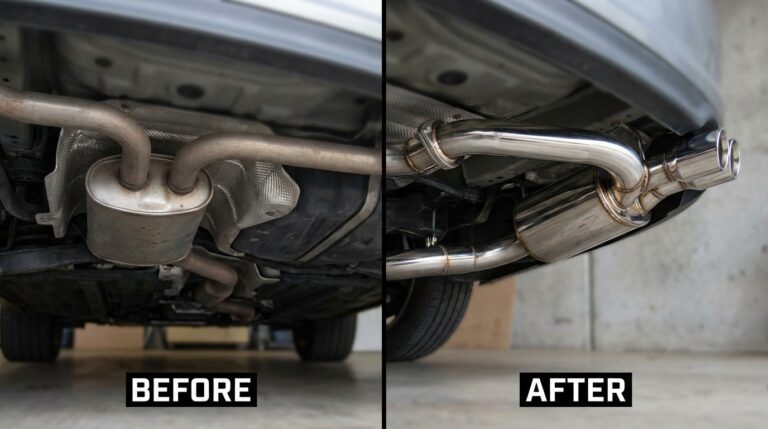
Stage 2 This step combines a new engine remap with the installation of additional performance components, such as a sports exhaust, an improved air filter, or even a higher-performance intake system or intercooler. The goal is to optimize airflow and exhaust to make the car even more efficient.
Stages 3 and above Beyond stage 2, modifications often become more invasive, including, for example, the installation of larger turbochargers, a complete engine overhaul, or the installation of a reinforced transmission. These stages are best suited to highly experienced enthusiasts willing to undertake more extensive maintenance.
To better understand these differences, here is a comparative table:
| Criteria | Stage 1 | Stage 2 | Stages 3 and above |
|---|---|---|---|
| Type of modification | Reprogramming only | Reprogramming + accessories (exhaust, intake) | Extensive modifications (turbos, reinforced engine) |
| Extra power | +10 to +30% approximately | +30 to +50% | +50% and more |
| Installation required | Software, OBD-II | Software + mechanical modifications | Complete engine overhaul |
| Vehicle compatibility | Original components | Optimized components | Custom-made parts |
| Cost | Relatively low | Medium to high | High to very high |
| Mechanical risks | Weak if done well | Moderate | Important |
The choice between these stages should therefore take into account the intended use of the car, the budget, but also expectations in terms of driving pleasure and reliability. Starting with a Stage 1 tune is often the best option for a first step towards improved performance, especially for beginners.
The Concrete Advantages of a Stage 1 Car Tuning
The main advantage of a Stage 1 tune lies in its excellent value for money. It’s a generally affordable upgrade that offers a noticeable power increase, making driving more enjoyable. Other benefits include:
- Improved engine torque : the car gains in responsiveness, especially at low revs, which contributes to better steering response.
- Optimized consumption When properly tuned, a stage 1 can even slightly improve fuel consumption by optimizing engine management.
- Respect for mechanics : no need to change parts, which reduces wear and tear and the risk of breakdowns related to over-adjustment.
- Intervention time : reprogramming is quick, usually completed in just a few hours.
In addition to these technical advantages, Stage 1 tuning remains a legal step when carried out in compliance with current regulations. To learn more about the regulatory aspects of tuning, it is advisable to consult dedicated resources such as legislation surrounding car tuning in France.
Concrete example: a property owner BMW M3 Having opted for a Stage 1 upgrade, the owner observed a 20% increase in engine power, with higher torque that made both track and road outings significantly more dynamic, without compromising reliability. This type of feedback perfectly illustrates why Stage 1 is a strategic choice in car tuning.
Steps and Tips for Completing a Quality First Internship
To ensure effective reprogramming, several key steps must be followed. The process begins with a complete vehicle diagnostic to check the condition of the engine and surrounding components. This step is essential to avoid exacerbating any potential mechanical weaknesses.
Once the diagnosis is confirmed, the tuner extracts the original mapping file via the OBD-II port. This file is then modified to suit the engine specifications, model, and the customer’s preferences. Overly aggressive modifications can lead to engine damage or a failed vehicle inspection.
After loading the new map, a dyno run is recommended to accurately measure the gains achieved and make adjustments if necessary. This dyno run also allows verification that pollutant emissions remain within permissible limits, an essential point in the current context where tuning is increasingly regulated.
Here is a list of criteria to check for a successful first internship:
- General condition of the engine (no leaks, no major wear)
- Compliance with engine temperature and pressure limits after reprogramming
- Consideration of anti-pollution standards
- Precise calibration of the mapping according to the exact model
- Post-intervention road and bench tests
By following these steps, you minimize risks and optimize performance. For beginners, it is advisable to seek guidance from a professional specializing in engine remapping to avoid the common pitfalls encountered by those attempting modifications without experience.
Several practical guides and tips are available to support those who wish to begin their tuning adventure, such as the one presented in Car tuning: where to start.
Risks and Limitations of Stage 1 Engine Modification
Although Stage 1 tuning is often presented as a minor modification, it nonetheless carries constraints and risks that should not be overlooked. Firstly, any engine reprogramming alters the original settings designed by the manufacturer. An improperly calibrated modification can lead to engine overheating, premature wear, or malfunctions in the electronic management system.
Furthermore, passing the vehicle inspection can become problematic if the remap alters emissions parameters or if an OBD diagnostic detects a fault. Given current regulations and upcoming changes, it is increasingly important to verify that Stage 1 modifications comply with applicable standards.
Another limitation lies in the compatibility of original components: some engines, particularly on older models or those with fragile components, do not handle increased pressure or a more aggressive engine map well. Therefore, Stage 1 tuning must be considered with mechanical durability in mind.
To explain these risks clearly:
- Accelerated engine wear : increase in pressure and temperature.
- Risk of overconsumption : if the mapping is poorly optimized.
- Loss of manufacturer’s warranty Reprogramming is often incompatible with the warranty.
- Possible offenses related to non-compliance with anti-pollution standards.
These limitations explain why it is crucial to use recognized professionals capable of performing a safe and documented engine modification. Some specialized retailers offer solutions compatible with daily use while maximizing power with a good risk/reward ratio, as can be seen in the modifications mentioned on A45 AMG tuning from stage 1 to stage 3.
What is a stage 1 engine remapping?
A stage 1 corresponds to a software reprogramming of the engine mapping aimed at increasing power and torque without hardware modification.
Is Stage 1 legal in France?
Yes, provided the modification complies with emissions standards and does not interfere with the vehicle inspection. It’s important to choose your tuner carefully.
What power gains can be expected from a Stage 1 tune?
In general, a stage 1 upgrade provides a power increase of between 10 and 30%, as well as improved engine torque.
Does Stage 1 affect fuel consumption?
If the reprogramming is well calibrated, it can optimize consumption, although the increase in power sometimes tends to cause it to increase slightly.
Are mechanical modifications necessary after a stage 1 tune?
Stage 1 does not require any physical modifications, but if you want to go further, you can move on to stage 2 which includes accessories such as a sports exhaust.