Hood Covering: Protect the Most Exposed Area

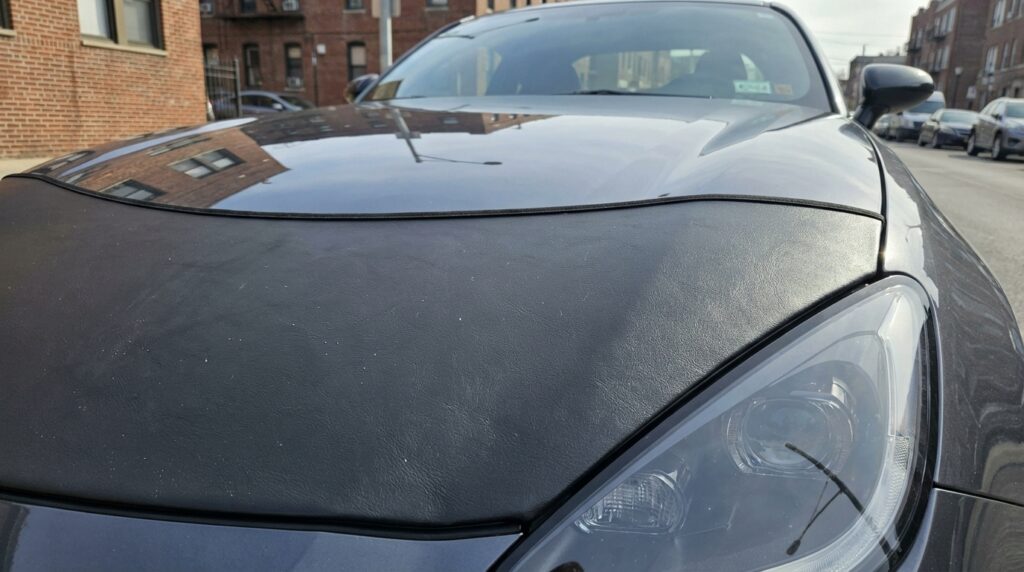
In the world of car customization, hood wrapping has become an essential solution for those seeking to combine optimal protection with a refined aesthetic. Due to its central position and constant exposure to the elements, stone chips, scratches, and chemical damage, the hood remains the most vulnerable area of a vehicle. Applying a protective film specifically designed for this bodywork not only preserves the original paint but also adds a touch of personalized style, crucial for enthusiasts and drivers who care about their car’s appearance. This targeted wrapping technique emphasizes durability and scratch resistance while simplifying car maintenance—a major advantage in a context where aesthetic longevity goes hand in hand with everyday practicality.
The hood’s unique position as an exposed component demands in-depth knowledge of materials, protective film application methods, and appropriate aesthetic choices. Each option, whether matte, satin, or glossy, influences the visual and functional quality of the wrap. Using a high-quality protective film guarantees an effective barrier against external elements, while maintaining the necessary flexibility to conform to the often complex curves of a hood. Mastering cutting and fitting techniques is also crucial for ensuring a flawless result. This technical guide addresses the various aspects to consider for a successful hood wrap that combines aesthetics, protection, and durability, emphasizing the industrial and artisanal specificities of this constantly evolving practice.
The technical challenges of hood wrapping for effective protection
Since the hood is the most exposed area, it is crucial to choose the right protective film to ensure optimal protection against mechanical damage, impacts from small debris, and scratches. Unlike other, less stressed parts of the vehicle, the hood is constantly subjected to impacts from speed, weather, and various environmental deposits. The film must therefore offer a scratch resistance exceptional, often achieved through a self-healing or reinforced top layer.
Technically, modern films incorporate flexible thermoplastic polymers that adapt perfectly to the contours of the hood, even at complex angles. The film’s thinness is also a significant factor: a film that is too thick could create creases or deform during application, while a film that is too thin risks being less durable and effective over time. The balance between thickness and flexibility is therefore crucial to guarantee protection without compromising the car’s aesthetics.
Installing a hood wrap must follow a strict protocol, beginning with a meticulous surface preparationAny impurities, dust, traces of wax, or defects on the paintwork could compromise the film’s adhesion and lead to air bubbles or premature peeling. Thorough cleaning and, if necessary, degreasing are essential steps to ensure successful application and long-lasting protection.
The application method is just as essential. It requires professional wrapping tools and expert technique to apply the film without creating creases and to avoid air bubbles, a common problem that can be better controlled by following the recommendations presented in this guide. bubble-free application. Mastering the stretching movements of the hot film allows for precise adjustment of the film and ensures its stability over time, while respecting the specific curves of the hood.
Another crucial technical point is the precise cutting and adjustment of the edges, essential for a flawless and long-lasting finish. Detailed professional techniques are explained in this tutorial on [link to tutorial]. the appropriate cutThese instructions explain how to avoid excess thickness and ensure perfect adhesion to the contours. The choice of finishes and edges around the hood will also be crucial for the mechanical resistance and longevity of the wrap.
The different types of protective films suitable for the hood: aesthetics and durability
The vehicle wrapping market offers a wide range of protective films specifically designed for hoods, each meeting precise needs in terms of resistance, appearance, and finish. Choosing the right film is essential to combining protection, longevity, and style.
Three main categories of films are generally distinguished:
- Transparent polyurethane films (PPF) Highly valued for their resistance to scratches and minor impacts, they often possess self-healing properties at room temperature or when slightly warmed. Their transparency allows the original paintwork to show through, providing virtually invisible protection, which is ideal for those who wish to preserve the original aesthetics while enhancing durability.
- Colored or tinted films Available in various shades and finishes (matte, satin, or gloss), these films allow you to personalize your hood while offering excellent protection against environmental damage. However, they require careful application to avoid unsightly discoloration or surface imperfections.
- Special effects films Featuring textures like carbon fiber, chrome, or brushed finishes, they are primarily aimed at enthusiasts of intriguing and unique automotive aesthetics. Their innovative look, in addition to protecting the vehicle, transforms the hood into a true design element.
Besides these categories, the film’s lifespan and the manufacturer’s warranties are important criteria. A well-chosen film can provide several years of protection with minimal car maintenance, significantly reducing the risk of paint damage.
Here is a summary comparative table of the characteristics of the main types of films suitable for the hood:
| Movie type | Scratch resistance | Aesthetic | Average lifespan | Maintenance required |
|---|---|---|---|---|
| Transparent polyurethane film | Very high (self-healing) | Colorless, invisible | 5 to 7 years old | Clean regularly, avoid harsh solvents |
| Matte or glossy colored film | High | Customizable, visual effect | 3 to 5 years | Gentle cleaning, avoid mechanical scratches |
| Carbon or chrome effect film | Average | Original, trendy look | 3 to 4 years | Gentle cleaning, avoid prolonged exposure to intense UV rays |
The choice of film influences the final result as well as ease of maintenance, two aspects not to be overlooked to ensure that a manual or professional hood wrap remains impeccable over the years. The owner would also benefit from consulting a detailed illustrated guide. 7 steps to a successful vehicle wrap in order to fully understand each phase of the technical installation.
Detailed procedure for a professional hood wrap installation
A professional and long-lasting installation requires precision and adherence to a well-defined protocol. It all begins with meticulous preparation of the bodywork, a crucial step that should not be overlooked to ensure proper adhesion and avoid problems and premature damage. The hood surface must be washed, degreased, and dried without leaving any particles or creases.
Once the preparation is complete, the film is cut and then applied in stages using a methodical approach based on field experience. A heater is used to give the film the flexibility needed to perfectly conform to rounded shapes. A specific lamination technique prevents bubble formation by combining gradual pressure and appropriate gliding movements; further explanations are available on [website/platform name]. How to avoid air bubbles.
Here is a list of essential tools for a successful hood wrap:
- Squeegee with felt to avoid scratching the film
- Professional heat gun
- Precision cutter
- High-temperature hair dryer
- Microfiber cloths and degreasing agents
Post-installation quality control is an often underestimated phase, but it makes all the difference. A thorough examination allows us to check for creases, poorly cut margins, or poorly glued areas—critical points detailed in this article on quality control of the coatingGood control also reduces the risk of rapid degradation and extends the overall durability of the film.
The drying and curing time of the vehicle wrap is a factor often overlooked by beginners. To guarantee maximum protective effectiveness, it is essential to wait an adequate period before exposing the vehicle to extreme conditions, as detailed in the recommendations on drying and hardening timeA properly applied and dried vehicle wrap offers optimal resistance to everyday wear and tear.
Maintenance and durability of hood wrap: tips to extend protection
After application, the main challenge lies in maintaining the protective film’s performance. Regular maintenance not only enhances the surface’s shine but also ensures the longevity of the protective barrier against external damage. A well-maintained wrap can therefore protect the hood from the negative effects of time and use.
It is recommended to follow the following best practices:
- Perform a gentle wash using products specifically designed for vinyl films.
- Avoid direct high-pressure cleaning unless you are at a sufficient distance to avoid lifting the edges
- Do not use solvents or abrasive agents that may damage the film surface
- Periodically apply a compatible protective wax to maintain shine and enhance resistance.
- Protect your vehicle from intense sunlight by parking in the shade whenever possible to limit UV damage.
Natural wear and tear can eventually lead to a dull appearance or slight deterioration. At this point, partial or complete film replacement should be considered, a process far less expensive than a full repaint. Signs of deterioration include visible cracking, peeling at the edges, or yellowing. Regular inspection is therefore essential.
Besides its practical aspect, the longevity of a vehicle wrap also depends on the initial choice of film, the quality of the installation, and the rigorous maintenance performed by the owner. Thus, protecting the hood is not limited to the simple application but is part of a comprehensive maintenance approach integrated into the owner’s routine.car maintenance.
Common mistakes in hood wrapping and how to avoid them
Even seasoned enthusiasts and professionals regularly encounter difficulties related to the application and maintenance of hood wraps. Identifying these common mistakes is the first step towards complete and lasting success.
Among the main mistakes, poor surface preparation is often the primary cause of problems. Installing a film without thorough degreasing or on damaged paintwork risks poor adhesion and the formation of bubbles, compromising both the aesthetic appearance and mechanical resistance.
Another common mistake is using an unsuitable film, particularly in terms of thickness or flexibility. A film that is too rigid won’t conform to the contours and angles of the hood, causing wrinkles or peeling. Conversely, a film that is too thin won’t provide the expected protection. Therefore, choosing the right finish and quality is a crucial factor.
Furthermore, a rushed application or one performed without the proper tools significantly reduces the quality of the final result. Failing to heat the film or neglecting post-application quality control often leads to problems visible after a few weeks, ranging from bubbles to poorly fixed edges. It is essential to follow a specialized guide such as the one dedicated to mistakes and tips in covering to master these traps.
Finally, the lack of regular maintenance or the use of aggressive washing methods accelerates the premature degradation of the protective coating. The wrap should not be considered a simple cover-up but a long-lasting treatment requiring constant attention. The initial quality combined with proper maintenance enhances the durability and resistance of your hood to external elements.
Why choose a specific hood covering?
The hood is the area most exposed to impacts, scratches, and weather damage. A dedicated protective film helps preserve the original paintwork while offering a personalized look.
What are the criteria for choosing a suitable wrapping film?
It is essential to choose a film with high scratch resistance, good flexibility and a finish compatible with the desired aesthetic effect.
How to ensure a bubble-free application of vehicle wrap?
Rigorous surface preparation, the use of professional tools and a precise film stretching and smoothing technique help to minimize the risk of bubbles.
What maintenance is required to prolong the durability of the vehicle wrap?
Maintenance should include gentle washing with suitable products, avoiding direct high-pressure jets and periodically applying a compatible protective wax.
Is it possible to do the hood wrapping yourself?
Although feasible, installation requires precision, professional equipment and technical knowledge to avoid frequent mistakes and guarantee a durable and aesthetic result.