Color Gradients: The Gradient Effect on Cars

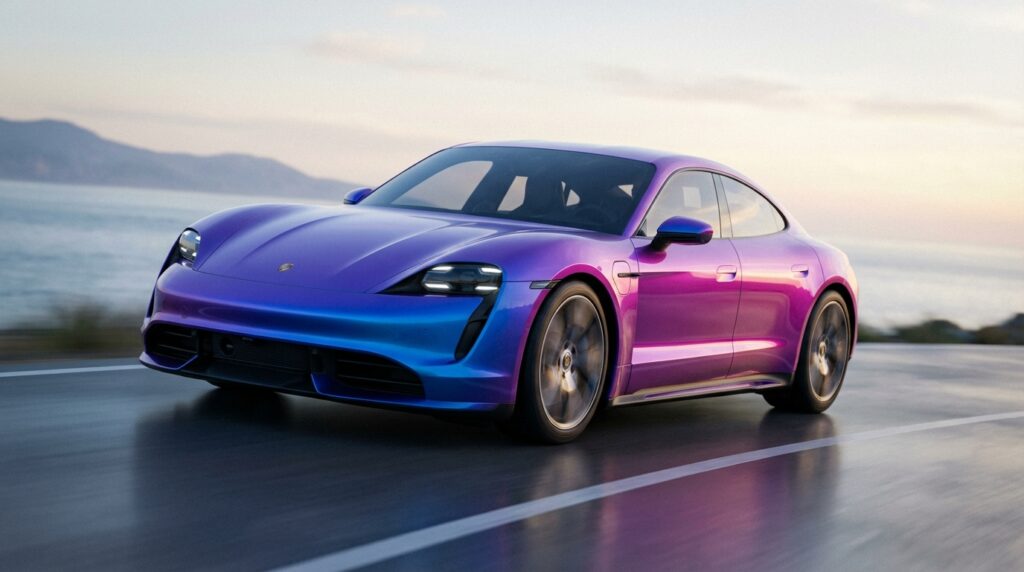
The world of car customization is constantly evolving, offering enthusiasts new ways to transform their vehicles into rolling works of art. Among the most prominent trends is the color gradient, also called gradient effectwhich brings a new aesthetic dimension to car bodies. This process, far from being a simple visual nuance, has now established itself as a fully-fledged automotive painting technique, combining complexity, innovation, and precision. Its appeal lies in its unique ability to offer harmonious color transitions, generating a visual effect dynamic and captivating, meeting an increasingly sophisticated demand in terms of automotive design.
Applying a gradient to a customized car requires advanced mastery of the work processes, precise knowledge of materials, and the ability to anticipate the final result under different lighting conditions. All of this reflects a major technological evolution that blends art and technology to reshape the landscape of vehicle wrapping and finishing. Adhesive films using the degraded finishes are also multiplying, offering an interesting alternative to traditional paint, especially for those wishing to combine protection and style.
Beyond its appealing aesthetic, color gradients offer powerful marketing potential for both professionals and amateurs. For example, Vehicle wraps with stripes, numbers and sponsors They are enriched with a fluid and original visual dimension thanks to this effect, making each vehicle unique and memorable on track or road. While the search for the harmonious color is at the heart of the project; understanding the technical foundations and constraints related to this process becomes essential to maximizing its impact.
The technical principles of color gradients in automotive paint
The gradient technique relies on precise control of the gradual transition between several shades. Within the framework of the car paintingThe aim is to transition from one color to another subtly, without visual disruption, in order to create a gradient effect Natural and fluid. This method offers more depth and relief to the bodywork, giving the customized car a sophisticated and dynamic look.
Creating a gradient in paint requires meticulous preparation. First, the surface must be perfectly smooth and clean. Each layer of color is sprayed using a paint gun with precise pigment measurements, often aided by sophisticated partial masking techniques to control the color transitions. The application is generally done in several passes to refine the transition and soften any harsh edges.
Here are the key steps to mastering a gradient in the studio:
- Choice of colors: It is essential to choose colors that are compatible in terms of their tones and densities, to guarantee visual harmony.
- Surface preparation: Cleaning, sanding and application of a primer coat to ensure adhesion.
- Partial masking: Use of specific ribbons to delineate transition areas while allowing for a slight blur.
- Gradual application: Spray in thin layers, gradually decreasing the saturation to ensure the fineness of the gradient.
- Finishing : Varnishing to protect and intensify the depth effect, choosing the appropriate finish (matte, satin or glossy).
The complexity of this technique explains why gradient painting on car bodies is still often reserved for professional workshop technicians. Mistakes such as incorrect color mixing or misalignment in masking can compromise the entire finish.
To learn more about finishing management and maintenance, it is helpful to consult resources dedicated to Polish and wax for vehicle wrapping, which remain essential even with a gradient finish.
Differences with gradient film application
Unlike paint, a gradient effect can also be achieved by applying specially designed vinyl film. This adhesive car wrap offers a wide selection of ready-made gradients. This is known as gradient vinyl wrapping. This method offers several advantages:
- Time saving: The film is prefabricated, thus limiting the installation time compared to a complete painting.
- Variability: It is possible to change the style frequently without altering the bodywork.
- Protection: The film protects the original paintwork from scratches and UV rays, as explained in this article on the UV protection of the covering.
However, the appearance and durability remain different. Gradient vinyl can sometimes show limitations in terms of texture or mechanical strength under certain extreme conditions, particularly on sports vehicles or those subjected to harsh weather conditions such as those described in winter coating performanceIt is therefore important to choose the right quality of film and to use an experienced installer to avoid creases or bubbles, which would spoil the desired visual effect.
How to choose colors and their combination for a successful gradient effect
The success of a gradient also depends on the harmony between the selected colors. Indeed, while the technical principle is fundamental, the selection of shades is a crucial step in enhancing the customized car through this process. painting technique.
It is recommended to use colors that are close together on the color wheel to ensure a smooth and aesthetically pleasing result. For example:
- A gradient from blue to green, for a fresh and modern touch.
- Transition from red to orange, for a feeling of warmth and dynamism.
- Light grey to anthracite transitions, for an elegant and understated look.
The complexity increases with multicolor gradients, which involve a careful blending of hues based on their saturation and brightness. To facilitate this work, it is essential to use digital simulation tools, which allow visualization of the final result without undertaking any work on the vehicle.
Finally, the psychological dimension of colors must be taken into account, as each hue influences external perception. A gradient of cool shades can evoke modernity and technicality, while warm variations create a more dynamic and expressive effect. This parameter is widely used in car tuning and design. custom designs to maximize visual impact and reinforce the vehicle’s personality.
List of criteria for optimizing the selection of gradient colors
- Color compatibility: Use of similar or derived shades.
- Controlled contrast: Avoid abrupt breaks that would disrupt the fluid effect.
- Adaptation to the shape of the vehicle: Lines and volumes influence the perception of colors.
- Influence of the lighting environment: Test under different lighting conditions to validate the actual result.
- Durability and hold of pigments: Check performance against UV exposure and aggressions.
Applications of color gradients in automotive wrapping and design styles
The gradient effect is currently popular in many styles of automotive customization, from sports cars to commercial vehicles. Incorporating a gradient effect into a wrap creates a strong visual signature that appeals with its originality and sophistication.
In the world of sports cars, gradients amplify the aggressive and futuristic look while subtly revealing the car’s contours. This type of design is favored by exclusive brands and renowned tuners, offering a look that is both refined and dynamic. Tuning enthusiasts are also very keen on it, as this article on the subject shows. A45 AMG tuning with gradient finishes adapted to the sporty profile of the machine.
For luxury cars such as Mercedes, BMW, or Audi, color gradients can take a more subtle and elegant form, blending perfectly with the texture of the wrap to enhance the premium image. The choice of colors must therefore be particularly careful to respect the brand’s identity while adding an extra touch of exclusivity. Several concrete examples are analyzed in this article dedicated to luxury car wrapsThis presentation is ideal for understanding the nuances of the design approach.
Beyond the private sector, commercial vehicles also benefit from these aesthetic advancements. car covering The gradient provides increased visibility and a professional image suitable for company fleets. This aesthetic is highlighted in detail on this website dealing with the covering for utility vehicleexplaining how the visual aspect impacts customer perception and brand visibility.
Maintenance and durability of gradient effects in wrapping and painting
One of the recurring questions surrounding gradient finishes in vehicle wrapping and painting is their durability and ease of maintenance. With traditional paint, applying a suitable clear coat ensures optimal longevity, protecting the various colors from external elements, including UV rays, debris, and chemicals. The choice of gradient finish is crucial: a glossy finish accentuates the relief and depth of the gradient, while a matte or satin finish provides a softer, more contemporary look.
While gradient vinyl wrap offers excellent protection, it also requires rigorous maintenance to preserve its shine and integrity. Cleaning should be done with non-abrasive products, and the use of a UV-resistant treatment is recommended to prevent premature yellowing, as explained in detail in this article on the UV protection of the covering.
The table below summarizes the key points to know for maintaining gradient effects, whether they are achieved with paint or vinyl film:
| Criteria | Gradient paint | Gradient adhesive film covering |
|---|---|---|
| Sustainability | 10 to 15 years with quality varnish | 5 to 7 years depending on quality and exposure |
| UV resistance | Excellent with a suitable varnish | Requires regular UV protection |
| Interview | Gentle cleaning, occasional polishing recommended | Use non-abrasive cleaning methods; avoid harsh solvents. |
| Repairs | They can be complex, professional intervention is often required | Retouching is possible by replacing areas |
The durability of the effects often depends on the environment in which the car is driven. A vehicle used intensively in harsh urban conditions will require more frequent care. In winter, for example, certain wraps must be specially chosen to withstand frost and road salt, an issue discussed in this article on the Winterizing.
Advanced techniques for integrating gradients into professional automotive design
In a professional context, creating a high-quality gradient often requires integrating other graphic elements such as logos, stripes, or specific patterns. The use of vector design and digital printing of custom films now makes it possible to design unique vehicles, perfectly suited to brand strategies. Graphic designers specializing in vehicle wrapping can thus deploy complex combinations where thegradient effect Enhances visibility while maintaining the readability of advertising elements, such as those detailed in this article dedicated to coverings for competition.
The execution requires a delicate balance between visual impact and practical function. The gradient must follow the vehicle’s lines without saturating the glass or technical areas. This technical requirement is typical of high-performance sports cars, where even the smallest detail in the wrap can impact brand perception, as illustrated by the detailed Polo GTI tuning case described in this article on the subject. essential tuning modifications.
Thanks to advanced digital tools and improved application techniques, the development of custom gradients offers a virtually unlimited range of styles. The challenge lies in seamlessly integrating these gradients into complex designs, especially when the car combines multiple coatings or finishes. The installer’s expertise and the quality of the film used remain crucial factors.
How to choose between a gradient effect using paint or adhesive film?
The choice depends on your budget, vehicle usage, and desired durability. Paint offers a durable finish but is expensive and time-consuming to apply, while adhesive film is more flexible and faster, ideal for frequent changes.
Which finish is best suited for a gradient effect on a car?
Glossy finishes accentuate depth and reflections, while matte or satin finishes offer a modern and understated touch. The choice depends on the desired style.
Can the color gradient be resistant to harsh weather conditions?
With a high-quality paint varnish or a suitable vinyl film, the gradient effect can indeed withstand UV rays, frost, and salt, provided it is properly maintained. See our tips on the covering in winter.
Can gradient wraps incorporate personalized elements such as logos or sponsors?
Yes, it’s compatible and often used in the world of racing and tuning. The layering of gradients and graphic elements is mastered thanks to digital printing technologies and custom design.
What are the main risks when applying a gradient wrap?
Common mistakes include air bubbles, creases, misalignment of colored areas, and premature wear if the film is not properly fitted. A professional installer guarantees optimal results.