Matte, Glossy, or Satin Coating: A Comparison of the 3 Finishes

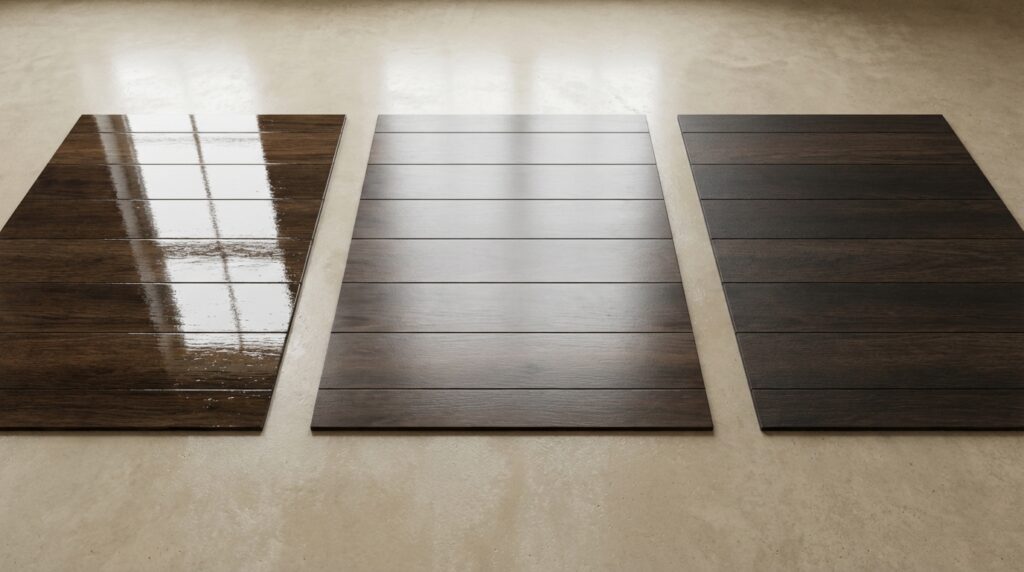
In the world of car wrapping, choosing the right finish is more than just an aesthetic choice. Matte, gloss, and satin wraps each offer specific advantages that influence not only the appearance but also the film’s durability and ease of maintenance. Given this diversity, understanding the precise differences between each type of wrap is essential for making an informed decision. With the rise of high-quality adhesive films, car customization has become accessible to everyone, combining technical innovation with design trends. This comparison highlights the key characteristics of these finishes, from their visual appearance to their resistance to external elements, including the constraints related to installation and daily use.
A technical dive into a world where materials science meets the art of style. This detailed analysis allows you to grasp the practical and aesthetic aspects of vehicle wrapping, while also providing tips to optimize the longevity and performance of the films. You will also discover the criteria for tailoring your choice to your specific needs, whether it’s a simple cosmetic refresh or high-end bodywork protection. Vehicle wrapping is no longer just a passing trend, but a truly smart investment to enhance and preserve your vehicle.
Detailed analysis of the characteristics of Matte Covering: aesthetics and technical aspects
THE covering mat It is distinguished by its lack of shine, offering a uniform finish and a soft touch that delights enthusiasts seeking understated elegance. This finish is now highly sought after not only for its visual appeal but also for its technical qualities. The matte surface absorbs light more effectively, reducing glare and giving the color a unique depth.
From a technical standpoint, matte film is generally more susceptible to fingerprints and dust, which may require more rigorous maintenance. However, recent advancements in adhesive films have led to the development of films with anti-fingerprint coatings and self-cleaning properties. Installation of matte wraps requires meticulous surface preparation, as any imperfection is amplified by the lack of reflections. The tensioning and heating techniques must be precisely controlled to avoid creases.
Furthermore, in terms of durability, a matte finish can reveal wear and tear more quickly in the event of superficial scratches, unlike a glossy finish which partially conceals these imperfections. This characteristic directly impacts the choice of finish, especially if the vehicle is frequently driven in urban environments where contact with surfaces is common. To maximize lifespan, it is recommended to avoid harsh high-pressure washes and opt for a gentler cleaning method.
A key advantage of matte wrapping lies in its ability to transform an ordinary vehicle into a contemporary design object, highly valued by premium manufacturers and specialist body shops. This finish is increasingly popular on sports and luxury models, where the matte effect reinforces a strong identity and assertive visual presence without resorting to flashy colors.
Finally, matte vehicle wrapping is part of an aesthetic trend that values minimalism and understated elegance, often combined with carbon fiber design elements or chrome accents. These combinations maximize the potential of the adhesive film through subtle contrasts, adding an extra touch of refinement.
Concrete examples of matte covering use
A car customization shop recently transformed a high-end SUV with a matte titanium gray wrap. The owner was looking for a subtle yet distinctive effect. After meticulous application, the result exceeded his expectations. The matte finish accentuated every curve, while significantly reducing the inconsistent reflections that often spoil the aesthetics in natural light.
In another case, a tuning enthusiast opted for a full matte black wrap on his sedan to enhance its aggressive look while maintaining an elegant balance with glossy wheels. This combination exploits the covering comparison different textures for a harmonious and striking result.
Such transformations illustrate the power of the covering to transform a vehicle, far beyond its purely protective function.
Glossy coating: an essential classic for optimal shine and protection
THE glossy coveringGloss film, often considered the traditional finish for vehicle wrapping, is widely recognized for its intense shine and the vibrancy of the colors it reveals. The glossy film is composed of transparent polymers that amplify light reflection, giving the bodywork a distinctive mirror-like effect.
Perfect for highlighting the rounded shapes and dynamic lines of a vehicle, glossy wraps are also appreciated for their ability to partially conceal certain surface imperfections thanks to the play of light. For example, a micro-scratch may appear less visible on a glossy film than on a matte one.
Technically, this type of finish is noticeably more resistant to chemical damage and repeated washing, especially when the films incorporate a protective UV-resistant varnish. This additional layer preserves the color and prevents yellowing over time, which is crucial for long-term aesthetic preservation.
Applying a glossy wrap also requires great precision, but the tolerances for positioning are sometimes slightly more lenient than for matte wraps, due to the glossy film’s ability to conceal certain application imperfections. However, handling the heated wraps must be carefully controlled to avoid surface deformations and visible creases.
Professional and commercial uses frequently employ this type of finish for company fleets, as the glossy finish enhances a professional and dynamic image. It is also the preferred choice of many enthusiasts looking to highlight the original shine of a restored or restyled vehicle.
Finally, glossy vehicle wrapping offers a range of complementary textures, including chrome and metallic effects, which enrich the visual spectrum available. These options help to enhance personalization and meet demanding aesthetic expectations.
Significant use cases with glossy coating
A sports coupe owner experimented with a bright red gloss wrap to restore his car’s original shine after several years of outdoor exposure. The wrap not only rejuvenated the appearance but also protected the bodywork, thus helping to preserve the model’s value. This case illustrates the economic relevance associated with the average price of a vehicle wrap and its value for money.
In a more utilitarian context, a fleet of logistics vehicles received a glossy white film for its deliveries. This choice met a demand for increased visibility and easier maintenance thanks to its enhanced ability to easily clean dirt, a significant advantage for professionals.
Satin finish: an aesthetic and technical compromise between matte and glossy
THE satin covering It positions itself as an intermediate solution that combines the qualities of matte and gloss. Its slightly satin appearance gives the bodywork a semi-gloss finish, offering a balance between soft reflection and the suppression of excessive glare.
One of satin’s major qualities is its versatility, making it one of the covering finishes the most sought after for various applications, ranging from fine personalization to the renovation of a vehicle seeking an identity less classic than glossy, but brighter than matte.
From a technical standpoint, satin film often benefits from a specific anti-UV and anti-scratch treatment that extends its lifespan and improves its resistance to weather conditions. Its subtle appearance in changing light also makes it less noticeable of surface imperfections than matte film.
Applying a satin wrap requires a rigorous level of expertise similar to that needed for matte, although the visual effect allows for less tension during shaping, thus limiting the risk of creases or bubbles. This relative ease contributes to a high success rate in vehicle wrapping operations.
This type of finish integrates perfectly with modern and makeshift designs, often combining satin films with carbon inserts or matte covering areas to accentuate the aesthetic and technical contrast of the vehicle.
Furthermore, satin wrapping finds a favorable echo in the strategy of enhancing the value of hybrid or electric vehicles, whose clean and innovative image harmonizes well with the sober and subtle elegance offered by this finish.
Accurate comparison and practical use of satin covering
A car leasing company opted for satin wrapping on a fleet aimed at a young and dynamic clientele. The choice was driven by the desire for a premium look without the strict maintenance requirements of matte. Feedback has been very positive, with an excellent balance between visual quality and ease of use.
Meanwhile, a startup customized its demonstration vehicles with a midnight blue satin film, which reinforces brand identity while minimizing the impact of micro-scratches from heavy use. This choice perfectly illustrates the importance of knowing the Differences between painting and wrapping in order to optimize the investment.
Comparative table of the three types of vehicle wrap finishes: matte, glossy and satin
| Criteria | Covering Mat | Glossy Coating | Covering Satin |
|---|---|---|---|
| Visual appearance | Anti-reflective finish, deep, elegant and discreet | Intense shine, mirror effect, high brilliance | Medium finish, slight sheen, elegant and modern |
| Interview | Sensitive to marks and dust, requires regular care | Easy to clean, resistant to washing | Moderate maintenance, less sensitive than matte |
| Sustainability | Scratches can show quickly; sensitive to wear. | Resistant to chemical and UV damage | Good compromise on durability, UV protected |
| Laid | Demanding, perfectly prepared surface | A more forgiving application for imperfections | Intermediate, facilitates installation |
| Recommended use | High-end vehicles, exquisitely designed aesthetics | Professional fleets, restored cars | Versatile customization, modern vehicles |
Impact of different types of vehicle covering on vehicle protection and maintenance
Beyond aesthetics, choosing between matte, glossy and satin coating It also relies on the need to effectively protect the bodywork. Each finish plays a different role in preventing damage from external aggressions such as scratches, UV rays, stone chips, or chemical contamination.
Glossy wraps, with their smooth, varnished surface, offer a robust barrier against these aggressions, facilitating decontamination during cleaning and limiting the film’s porosity to dirt. In contrast, matte wraps can sometimes be more susceptible to micro-scratches, requiring careful maintenance to preserve their optimal appearance.
Satin, a true middle ground, combines satisfactory protection with ease of maintenance. Its specific properties help to minimize signs of wear while maintaining an elegant visual appearance, making it effective for everyday use in a variety of environments.
Another essential factor is the film’s compatibility with various types of washing. For example, high-pressure washing can damage a matte wrap more quickly, while gloss and satin finishes tolerate these operations better if they are carried out correctly and infrequently. It is also crucial to know that the wrap’s longevity depends in part on the surface treatment chosen during the film’s design.
To extend its lifespan, it is advisable to follow a maintenance routine tailored to the finish: regular use of specific products, gentle drying, and avoiding excessive rubbing. These recommendations help maximize the investment made when applying a wrap, whether it’s matte, glossy, or satin.
The question of knowing How does the vehicle wrap age? This is therefore a key concern for users, especially those planning to keep their customization for several years. A good balance between aesthetics, budget, and durability will ensure the success of any car customization project.
Essential criteria for choosing the right vehicle wrap finish
THE choice of covering finish must be guided by several well-considered criteria in order to optimize aesthetic and technical satisfaction. The following should be taken into account:
- The vehicle’s usage profile (urban, off-road, daily or occasional use)
- The level of exposure to natural elements (intense sun, pollution, dust)
- The frequency and type of maintenance the owner is willing to provide
- Visual preferences, particularly in relation to the desired style
- The allocated budget, taking into account the legal framework and the long-term cost-benefit ratio
- The specific characteristics related to the initial condition of the bodywork, as explained in this article on the application on a scratched car
These elements contribute to a global reflection which naturally leads to one finish rather than another, without forgetting to consider recent innovations in adhesive films, such as reinforced anti-UV treatments and textured surfaces.
In addition, it is often helpful to consult a professional for a personalized analysis, especially for complex or high-end projects. The quality of the installation is a key factor that determines both the aesthetic success and the lifespan of the vehicle wrap.
For a novice, using small-format trials or ordering samples can be relevant methods to familiarize themselves with the types of covering available and better visualize the impact of colors and finishes on their vehicle.
Which vehicle wrap finish is the easiest to maintain?
Glossy vinyl wrap is generally easier to maintain thanks to its smooth, wash-resistant surface. Satin offers an effective compromise, while matte requires more care to prevent marks and dust.
Can matte wrapping be applied to a scratched car body?
Yes, but you must ensure that the scratches are shallow and the surface is properly prepared before application. This point is detailed in the article on application to a scratched car.
What is the average lifespan of vehicle wrap films?
On average, a vehicle wrap can last between 5 and 8 years depending on exposure and maintenance. UV protection and the quality of the installation play a crucial role in this longevity.
Can the wrap finish be changed later?
Technically, the existing film must be removed before a new finish can be applied. No film can be transformed into matte, glossy, or satin once it has been applied.
Is it legal to put a wrap on a car?
Yes, vehicle wrapping is legal, but certain rules regarding colours and safety must be respected, especially for registered vehicles.