Vintage and Retro: Old School Patterns Are Back

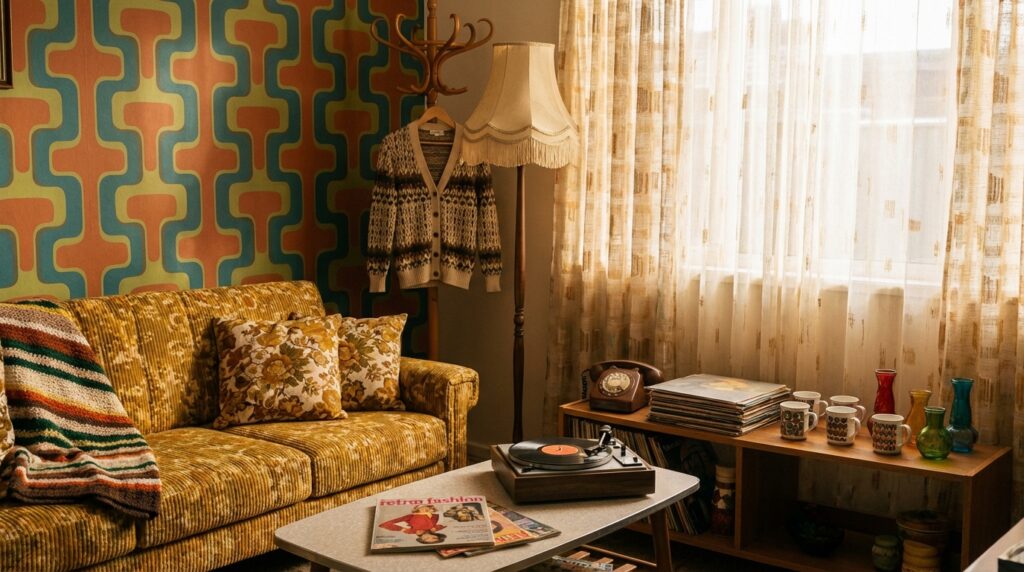
In an automotive world where technological innovation constantly takes center stage, vintage and retro fashion is making a striking comeback, placing old-school motifs at the heart of contemporary designs. This resurgence is not merely an aesthetic phenomenon; it is accompanied by a genuine nostalgia for a bygone style, characterized by classic lines and shapes, embodying an era when elegance and simplicity dictated automotive design. Today, vehicle wrapping and vinyl coverings draw on these references to offer unique customizations that blend past and present. This retro trend merges attention to detail with modern finishes, giving drivers the opportunity to transform their vehicles into timeless pieces. The phenomenon goes beyond simple decoration, touching on emotions and collective memory, thus revealing a growing desire to revive motifs whose aesthetic power remains undiminished.
In this article, we’ll explore in depth the various old-school designs that are making a comeback in the world of automotive bodywork, as well as the modern wrapping techniques that allow us to apply them to today’s vehicles. We’ll also analyze why vintage style is establishing itself as a truly lasting retro trend and how this classic aesthetic is expressed in various finishes and materials. Finally, we’ll look at concrete examples and technical tips to optimize this customization in a way that is both artistic and high-performing.
The return of old-school motifs in retro automotive design
Vintage style is inextricably linked to the old-school designs that once adorned car bodies, from the powerful tailfins of the 1950s to the racing stripes of the 1960s muscle cars. These designs evoke an era when every detail of the vehicle contributed to its strong visual identity. Today, reviving these designs is more than just a trend: it’s a tribute based on perfectly mastered manufacturing and finishing.
Among the most iconic designs are chevrons, high-contrast wide stripes, checkerboard patterns, and clean geometric shapes that were once synonymous with boldness and character. These old-school graphics are perfectly suited to adhesive wrapping films, which allow for faithful and durable reproduction without damaging the original bodywork.
Vintage and retro styles also offer real added value through the opportunity to experiment with classic color palettes, such as bright red combined with white, royal blue, or the cream and caramel hues typical of cars from past decades. These shades reinforce the feeling of nostalgia and enhance the vehicle’s original silhouette.
In the vehicle wrapping industry, specialized craftsmen now offer custom designs Using these motifs, they reinvent classic forms while taking into account contemporary installation and durability constraints. This skillful blend offers a result that is both classic and innovative, satisfying the passion of enthusiasts eager to incorporate the retro nostalgia in their everyday car.
Modern wrapping techniques adapted to vintage designs
Vehicle wrapping has evolved considerably, allowing for the integration of even complex, old-school designs without sacrificing the quality or durability of the coating. Today’s vinyl films combine flexibility, UV and wear resistance, while offering excellent adhesion to shapes as varied as those of classic or modern car bodies.
The success of a retro wrap depends largely on the graphic precision and print quality of the designs. Films with satin or matte finishes are often preferred to recreate the authenticity of vintage films, reproducing the classic feel of old paint jobs, while also ensuring better scratch resistance and less visibility of minor imperfections.
To guarantee a bubble- and crease-free application, especially on curved surfaces, installers use advanced techniques such as controlled heating and specialized tools (spatulas, precision cutters). These methods allow them to adapt to varying contours without compromising the visual integrity of the design. Furthermore, partial disassembly of components (mirrors, door handles, etc.) is carried out for a professional result, reflecting the meticulous attention to detail.
The table below presents a comparison of film types suitable for vintage patterns, along with their main advantages:
| Movie Type | Finishing | UV resistance | Easy to Install | Aesthetic Aspect |
|---|---|---|---|---|
| Classic Matte Vinyl | Mast | High | Average | Authentic vintage look |
| Satin Vinyl | Satin | Very high | Good | Silky effect, modern retro design |
| Premium Glossy Vinyl | Bright | Average | Good | Bright but less vintage |
| Old School Carbon Film | Matte texture | High | Difficult | Technical and classic look |
Professionals often recommend satin vinyl for vintage designs that preserve the retro charm while minimizing maintenance. This choice combines paint protection with a refined aesthetic.
For enthusiasts who want to get ahead in this trend, online tutorials and covering application workshops are excellent resources for mastering the basics, especially for avoiding damage to a delicate film associated with complex old-school designs.
Classic motifs associated with retro nostalgia in car customization
Old-school designs aren’t limited to just the stripes and bands of yesteryear. They also include a range of symbols, logos, and graphic compositions that defined past eras. These graphic elements are often associated with strong communication about the vehicle’s identity and cultural heritage.
In the vehicle wrapping sector, the promotion of the vintage fashion involves the reintegration of elements such as:
- Pin-up tattoos or illustrations in the style of the 40s-50s, inspiring a bold and identifiable old school look.
- The black and white checkerboard pattern evokes the world of classic motor racing, symbolizing a dynamic and energetic style.
- The old-fashioned calligraphy and lettering, which delicately adorn the quarter windows or the doors.
- Circular or diamond-shaped geometric patterns that bring a touch of modernity to a retro design.
These motifs can be combined to create unique graphic packaging, playing on the duality between modern materials and authentic design. This evokes strong appeal among classic car owners looking for modernize without losing the soul of their vehicle.
Vehicle wrapping then becomes a true tool for visual storytelling, allowing individuals to express their passions, memories, and personality through an aesthetic that embraces this classic yet timeless style. retro design thus offers an original response to the proliferation of standardized and uniform bodywork in the modern era.
Integrating the retro trend into an innovative personalization strategy
Beyond aesthetics, choosing a vintage wrap also involves strategic thinking about how to enhance the vehicle’s appeal. Indeed, the old-school style becomes a relevant way to stand out in a saturated market where every detail counts.
Businesses and individuals who adopt this approach benefit from a dual advantage: optimal protection of the vehicle’s bodywork thanks to the adhesive film and a stronger visual identity through a design rich in history and character. This classic personalization, made accessible even to those without the budget for a complete paint restoration, positions itself as an attractive and sustainable alternative.
THE vintage patterns They also play a crucial role in communication campaigns or events, where brand image is enhanced by a refined aesthetic reflecting a certain cultural depth. For example, many classic car clubs or enthusiasts now choose to collaborate with specialists in personalized covering to create unique models that are true to their time, while benefiting from the technical advances of modern wrapping.
Here is a summary list of the advantages of choosing an old school design in a vehicle wrapping project:
- Aesthetic authenticity : restores a classic style while adopting modern materials.
- Extended protection : protects the paint against external aggressions.
- Ease of restoration : the film can be removed or changed without damaging the bodywork.
- Total customization : possibility of creating a 100% unique design thanks to specialized workshops.
- Added value : enhances the rarity and visual appeal of the vehicle, strengthening its collector value.
The technical and regulatory challenges of vintage and retro vehicle wrapping today
While the vintage and retro trend dictates specific patterns and finishes, it also presents significant technical challenges. The graphic complexity of old-school designs requires perfect mastery of matching techniques to ensure seamless continuity and prevent distortion.
Furthermore, the choice of classic colors can pose problems in terms of contrast and visibility, especially when it comes to complying with road safety standards regarding illuminated and reflective signage. It is therefore essential to ensure that the characteristics of the vehicle wrap do not impair the legibility of lights, license plates, or other regulatory elements.
Local laws regarding modifications to vehicle appearance can also vary. It is important to check with the relevant authorities before installing a vintage wrap to avoid any surprises, especially in the context of a old style which could confuse technical inspections or the police.
From a technical standpoint, the aging of the adhesive film under exposed outdoor conditions must also be considered. High-quality vintage films combine durability and aesthetics but often require a larger initial investment. Regular maintenance, including proper cleaning and the application of specific products, extends the film’s lifespan and preserves color vibrancy.
The following table summarizes some key technical recommendations for a successful vintage wrap:
| Appearance | Recommendations |
|---|---|
| Choice of film | Opt for films with high UV resistance and a satin or matte finish. |
| Preparation | Clean and degrease the bodywork thoroughly |
| Laid | Reduce creases with thermoformable film and appropriate tools. |
| Interview | Use mild cleaners, avoid harsh solvents. |
| Compliance with standards | Check compliance with local regulations before installation |
By adhering to these criteria, vintage wrapping becomes a sustainable solution, blending a passion for a bygone era with modern requirements. The art of wrapping has never been as precise and refined as it will be in 2026, giving classic cars a second life with a focus on quality and authenticity.
What are the most popular vintage designs for vehicle wrapping?
Popular patterns include wide stripes, chevrons, checks, and illustrations inspired by the 1940s and 50s, such as pin-ups and retro lettering. These designs bring a touch of authenticity and nostalgia to the vehicle.
How to choose the adhesive film for a vintage wrap?
It is advisable to opt for a film with high UV resistance, with a satin or matte finish, as they better reproduce the authentic look while ensuring good durability and ease of installation.
Can you install a vintage wrap yourself?
Yes, but it requires a certain level of expertise, especially with complex, old-school designs. Online training and tutorials are recommended to master the application without damaging the film or the car’s bodywork.
Is vintage car wrapping compatible with classic cars?
Absolutely. It allows you to modernize the appearance while respecting the vehicle’s character, which appeals to enthusiasts. For optimal results, it’s often recommended to use specialized professionals.
What precautions should be taken when maintaining a vintage wrap?
Avoid harsh cleaners and opt for hand washing with mild products. Regular care prolongs colorfastness and film quality.