Washing a Covered Car: The Right Steps to Take

Washing a wrapped car presents a particular challenge, requiring precision and care to preserve the integrity of the adhesive film covering the bodywork. With the increasing popularity of car wrapping, many owners are faced with the question of car cleaning adapted, often fearing damage to this protective and decorative layer. This type of paint protection does not tolerate the same methods as traditional paint, making the adoption of good gestures Specific precautions are necessary to avoid altering the aesthetic and functional aspects of the wrap. The frequency, choice of products, and car washing techniques then become crucial to guarantee optimal car maintenance.
At the heart of this issue lies the very real fear of damaging the film’s material, causing scratches, or accelerating its aging with inappropriate products. However, with the right washing methods, your vehicle’s wrap can maintain its shine and repair for several years. By breaking down the essential washing steps and the mistakes to avoid, this article aims to provide a comprehensive guide for both novices and experienced users. Whether you have a simple hood wrap or a full-coverage film, each recommendation is based on proven practices and expert technical advice for uncompromising car maintenance.
Furthermore, this aspect should be considered from a car safety perspective: effective cleaning not only maintains the vehicle’s appearance but also prevents visual or tactile imperfections that could impair driving. Therefore, understanding the specifics of washing a covered car becomes essential, not only for its longevity but also for the driver’s comfort and safety. Using concrete examples and current regulations, this detailed guide demonstrates how to combine protection, aesthetics, and practicality in everyday life.
Suitable washing methods to preserve a covered car
The choice of washing methods is crucial from the very first steps in car cleaning. Unlike traditional paint, the adhesive film covering a wrapped car requires gentle handling to avoid premature damage. The main risks are related to the use of poorly adjusted high-pressure jets, abrasive brushes, or inappropriate chemicals.
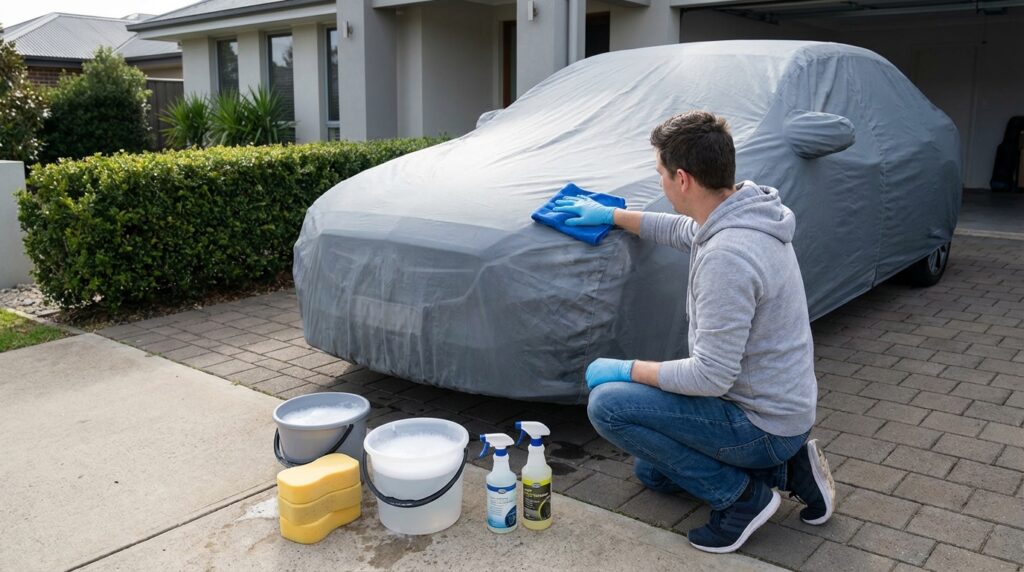
Hand washing remains the safest and most recommended method for a covered car. Use a bucket of lukewarm water and a car shampoo specifically formulated for plastic films to ensure a thorough clean. car maintenance Gently. Using a non-abrasive microfiber sponge or a suitable washing mitt helps prevent micro-scratches. It is essential to use light, straight movements, avoiding circular friction that can damage the film.
Automatic roller car washes are strongly discouraged because the brushes accumulate dust and micro-pebbles that can scratch the surface of the wrap. Similarly, high-pressure washing must be carried out with extreme caution, maintaining a minimum distance of at least 30 cm and positioning the jet at an open angle to avoid lifting or damaging the edges of the film. While a car wash with rollers may seem convenient, it significantly compromises the durability and longevity of the wrap.
Here is a summary list of mistakes to avoid when cleaning covered cars:
- Do not use solvent- or alcohol-based products that damage the film.
- Avoid rough brushes and sponges that can cause scratches.
- Never apply a high-pressure wash too closely.
- Avoid excessively vigorous circular movements when cleaning.
- Do not wash a vehicle wrap under strong, direct sunlight.
Furthermore, it’s worth noting that some covered surfaces have specific finishes, such as matte or carbon fiber. Each requires slightly different products and techniques. For example, a matte wrap requires frequent rinsing to prevent watermarks and the application of a special matte wax to maintain its natural effect without unwanted shine. For those wishing to delve deeper into the application process and the specific requirements for different areas of their vehicle, detailed tutorials are available. wing covering or even the spoiler coversensitive areas requiring special attention during washing.
Which cleaning products to use and which to avoid for a scratch-free car wash? Which cleaning products to choose and which to avoid for a scratch-free car wash?
Choosing the right cleaning products is crucial for maintaining a wrapped car. The chemical composition of the film applied to the bodywork is sensitive to damage and can suffer visible degradation with improper use. Poorly executed maintenance practices often lead to accelerated aging of the wrap, with color loss, the appearance of marks, and partial peeling.
Car washes designed for wrapped vehicles have gentle formulas, free of ammonia, silicone, and harsh waxes that could damage the film’s texture. They clean effectively without removing or dulling the surface. Specialized cleaning products are available that combine washing action with paint protection, enhancing the wrap’s durability. The use of multi-surface or household detergents is prohibited: the abrasive or corrosive ingredients they contain are incompatible with adhesive films.
Another category of products worth highlighting is that of light degreasers. These are necessary for removing stubborn dirt such as tar, silicone, or squashed insect residue. However, these products must absolutely be tested on a small, hidden area of the vehicle before full application to avoid any adverse reactions. Cleaning with clean water and a soft microfiber cloth is often sufficient for routine maintenance.
In addition, some people use protective waxes specifically designed for vehicle wrapping. These nourish the plastic film while preventing dust accumulation and the formation of unwanted micro-scratches. They are chosen according to the type of finish: glossy, matte, or satin. For example, a wax specifically designed for roof covering Black requires a formulation with fewer polishing agents to maintain the depth of the color.
| Product type | Benefits | To avoid |
|---|---|---|
| Specialized car shampoo for vehicle coverings | Soft, protects the film, preserves the color | Products containing ammonia or solvents |
| Specific light degreaser | Removes tough stains without damaging | Harsh household detergents |
| Protective wax for vehicle wraps | Repels dirt, preserves finish | Abrasive products, classic car wax |
| Water-based cleansing foam | Easy to apply, easy to rinse | Cleaners with a pH that is too alkaline or acidic |
For a complete guide on vehicle wrap maintenance, you can consult this dedicated article which details how to properly choose and apply all types of products to optimize the longevity of your plastic cover.
Good practices and techniques for performing an effective car wash without damaging the wrap
Beyond the products and methods, the washing technique is fundamental. The movements must be precise and meticulous to avoid excessive stress on the plastic film. Always begin with a pre-rinse in water to remove coarse dust and abrasive debris that can scratch the surface during scrubbing.
Next, use a clean wash mitt, moistened with a specific shampoo applied in thin layers. Never apply the concentrated product directly to the vehicle wrap, as this could cause stains or marks. Wash in sections, from top to bottom, with slow and even movements. Moderate surface tension during rubbing helps prevent deformation of the film.
After washing, a thorough rinse is essential to remove all traces of foam or residual dirt. Drying is an often-neglected yet crucial step. It should be done with a clean, dry, and very soft microfiber cloth to absorb water without rubbing. Avoid rough cloths or chamois leather, which can create micro-scratches on the plastic cover.
Finally, avoid washing your car in direct sunlight. The heat accelerates drying, increases the risk of limescale buildup, and leaves permanent watermarks. Opt for shaded areas or cooler times of day. By following these simple steps, your covered car will maintain its pristine condition for several seasons without any visible damage.
Impact of regular washing on the durability and aesthetics of a covered car
Regular car washing isn’t just about aesthetics. It directly impacts the paint protection that the covering provides. When cleaning is neglected, pollutants, dust and micro-particles become permanently embedded, which eventually wears down the surface of the film and alters its appearance.
Scheduled car maintenance not only preserves the vibrancy of the colors but also prevents the development of complex and difficult-to-treat damage. For example, dirt accumulated on a matte wrap can cause localized yellowing that is hard to reverse. Similarly, insect residue, tar, and bird droppings contain harsh chemicals that, if not removed promptly, degrade the film and lead to significant repair costs.
Improper washing can also have indirect mechanical consequences. A poorly maintained wrap peels off more easily, especially in areas most exposed to wind and rain. This leads to visible deformations and a rapid loss of the desired aesthetic effect. Some drivers choose to have a hood covering additional protection to better protect these critical areas which are subject to greater wear and tear.
Beyond simple cleaning, complete maintenance also involves regularly checking the condition of the film. Always check for peeling edges or micro-scratches, especially after washing. If these signs appear, it is recommended to act quickly to prevent further damage. By combining regular washing and careful monitoring, the lifespan of the wrap can be extended well beyond the standard warranties.
Here is an essential reminder summarized in the table below:
| Intervention | Recommended frequency | Positive effects |
|---|---|---|
| Gentle hand wash | once a week | Preserves the surface and shine of the covering |
| Application of protective wax | Every 3 months | Enhances protection against dirt |
| Detailed film inspection | Every month | Early detection of vulnerable areas |
| Targeted cleaning of stubborn stains | As needed | Prevents localized deterioration of the film |
Essential precautions for a safe and sustainable car wash
Cleaning a wrapped car requires not only appropriate techniques but also methodical organization to protect vehicle safety and the durability of the wrap. Among the good gesturesWearing microfiber gloves to avoid contamination from abrasive particles on the hands is recommended. The choice of washing location also influences the quality of the cleaning: a shaded, dust-free space away from sources of pollution limits the risk of damaging the film.
Next, the equipment used must be exclusively dedicated to the vehicle wrap, to ensure that no hard or dirty elements damage the delicate surface. It is also best to avoid moving the car immediately after a high-pressure wash to prevent increasing the pressure on a film that may still be weakened by the underlying water.
In parallel, it’s important to consider the specific requirements of vehicle wrapping in certain areas. For example, rocker panel wrapping requires extra care because these areas are particularly exposed to gravel and dirt. To optimize protection, appropriate maintenance, such as that recommended for a [vehicle], is necessary. rocker panel covering will be relevant.
Finally, it’s important to remember to comply with regulations regarding vehicle wrapping and maintenance, which can vary depending on the type of film and local legislation. Learn more at the legality of vehicle wrapping remains a key step towards complete and compliant car safety.
Simple yet meticulous washing techniques, combined with regular maintenance and in-depth knowledge of the materials used, ensure effective protection for your wrapped car. This professional approach guarantees that your wrap will maintain its beauty and performance over the long term.
Can a high-pressure washer be used on a covered car?
Yes, but with caution. A distance of at least 30 cm must be maintained between the lance and the film, the jet must be directed at an open angle, and excessive pressure should be avoided so as not to detach the film.
What products should be absolutely avoided when washing a covered car?
Products containing solvents, alcohol, ammonia or abrasive agents should be avoided as they damage the surface of the film and accelerate its aging.
Can a vehicle wrap be washed in direct sunlight?
It is not recommended to wash the car in direct sunlight as this causes rapid, often uneven drying, generating watermarks that are difficult to remove and can dull the film.
How to extend the lifespan of a vehicle wrap through washing?
Performing regular gentle washing, using suitable products, avoiding contact with abrasive materials and applying specific waxes helps to preserve the color and texture of the wrap for longer.
Can you apply a wrap to a scratched car?
It is possible to apply a wrap to a car with scratches, but meticulous surface preparation is essential to ensure optimal adhesion. More information on this is available. here.